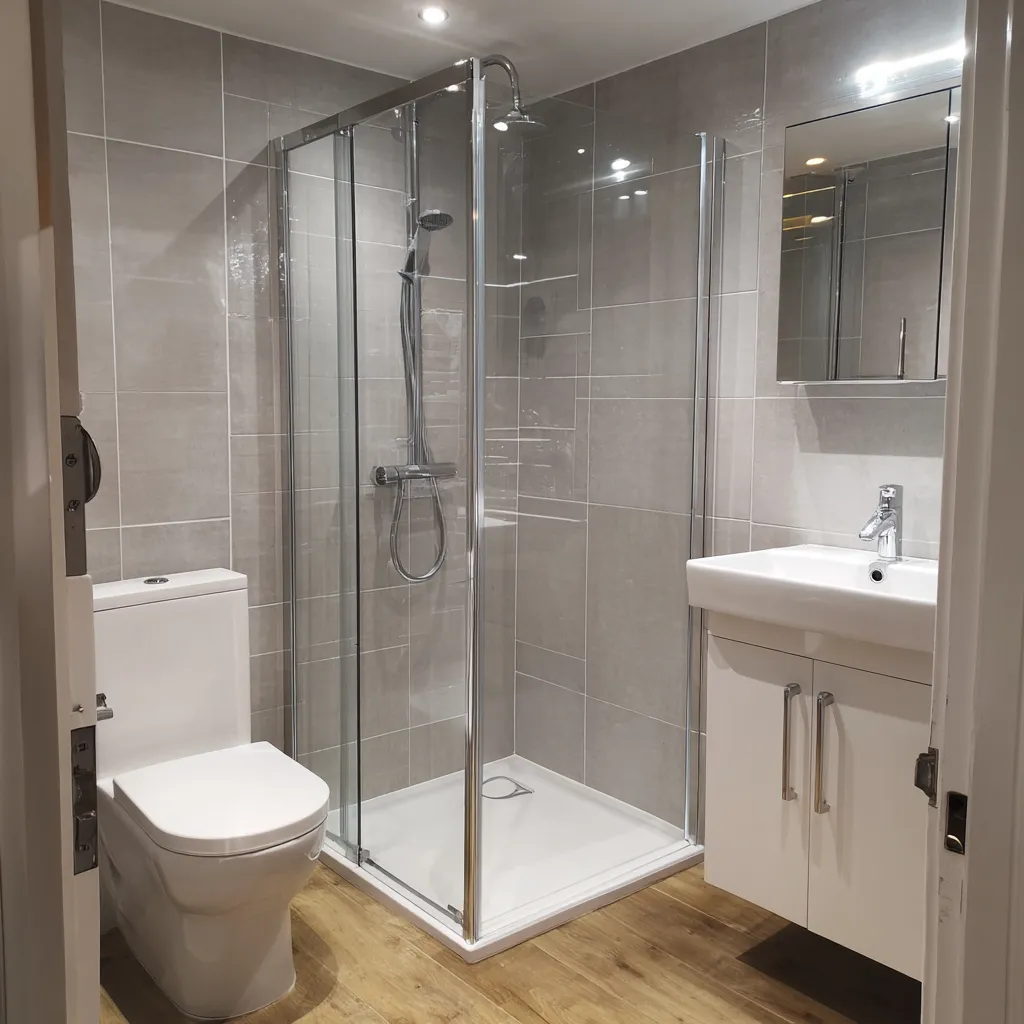
Start by having the existing floor checked, then compare the finish, cleaning, installation and repair requirements. A sample shows colour and texture, but it does not show whether the product is suitable for your shower area or proposed heating system. Those details need checking before the floor is included in the bathroom quote.
Understand What LVT Offers
LVT is a manufactured vinyl floor product supplied in tile or plank formats. It can give the appearance of wood or stone without using those natural materials. Different ranges use different fitting methods, so do not assume every vinyl product is installed, maintained or used in the same way.
Amtico's bathroom flooring information gives examples of bathroom-suitable LVT. The particular product instructions still govern the installation. Check its suitability for your room and whether it is intended for ordinary bathroom splashes or the floor of an open shower. A waterproof flooring product does not mean the whole fitted floor will work as a waterproof wet room.
Compare the Feel and Look of Tiles
Ceramic and porcelain tiles offer a wide range of sizes, colours and surface textures. Their appearance depends on the grout width and colour as well as the tile itself. A large tile can reduce the number of grout lines, but cuts, floor shape and the position of fittings still affect the finished layout.
Think about the surface when wet and how it will be cleaned. A highly polished finish may not suit the intended use, while a strongly textured surface can need more attention to clean. Ask for a product suitable for the bathroom floor rather than choosing a wall tile because you like its colour. The supplier should provide the relevant product information for the installer to assess.
Prepare the Base Properly
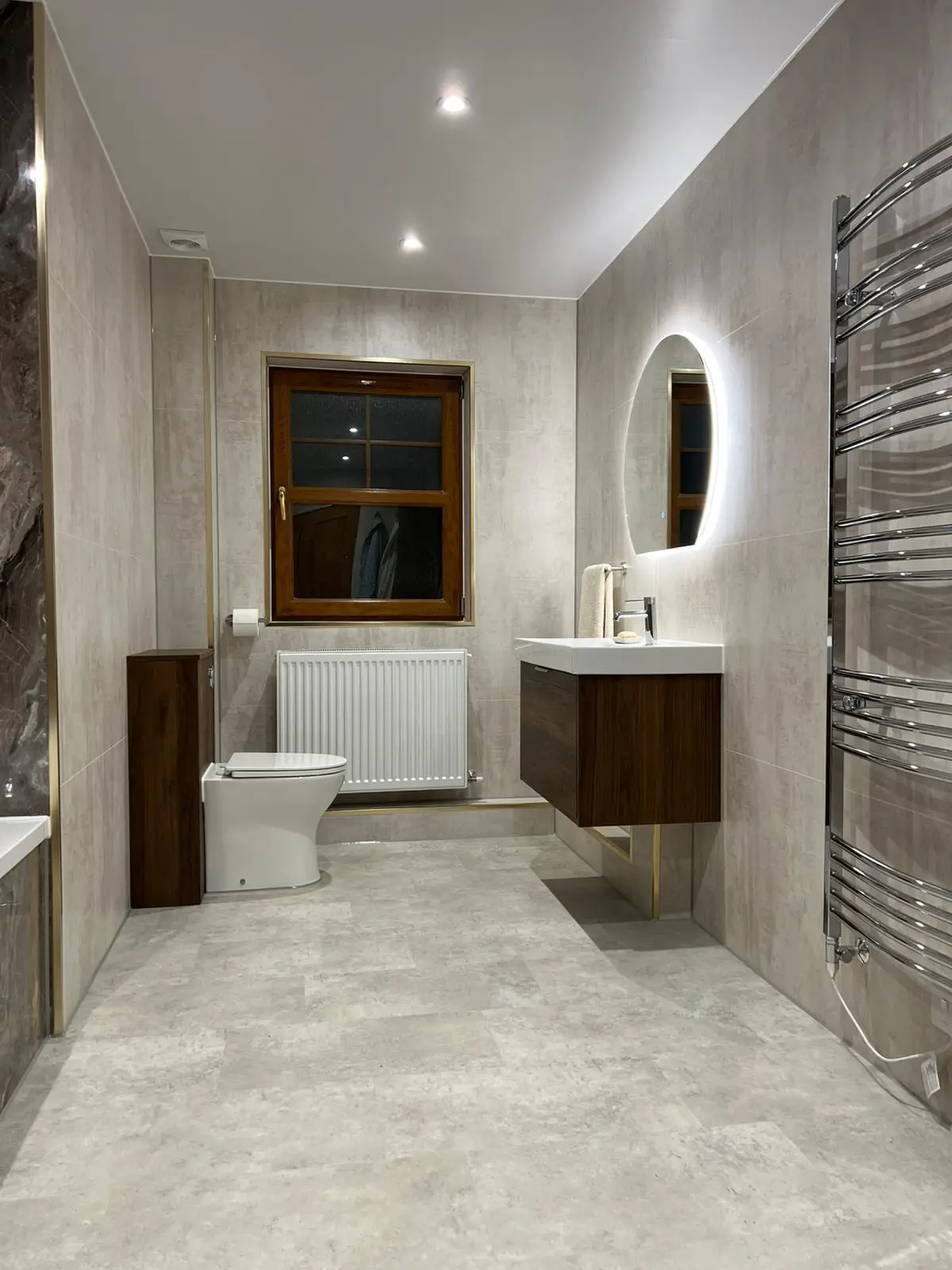
Both options need a suitable base. LVT does not simply flex safely over unstable floorboards, and tiling over movement can lead to failure. The existing structure, moisture condition, flatness and preparation should be assessed before the final finish is selected or priced.
The Amtico installation guidance illustrates why preparation is part of the flooring system. Follow the instructions for the actual products used, including boards, levelling materials and adhesives. In an older flat, damaged timber or the effect of previous leaks may need repair first. A cheaper quote that leaves out necessary preparation is not a like-for-like comparison with a properly specified installation.
Check Wet Areas and Heating Compatibility
The shower area needs particular attention. A tray-based shower and a fully waterproofed wet room use different floor arrangements. Do not extend an ordinary bathroom flooring choice into the shower without confirming that the complete system is designed for that use and that its drainage details are suitable.
If underfloor heating is proposed, check compatibility with the floor, adhesive and heating system. Temperature limits and instructions for first use depend on the products chosen. The installer should explain how the heating will be controlled and when it can be used after fitting. A general claim that a material “works with heating” does not replace those details or show that the existing floor can support the extra layers and finished height.
Think About Cleaning and Future Repairs
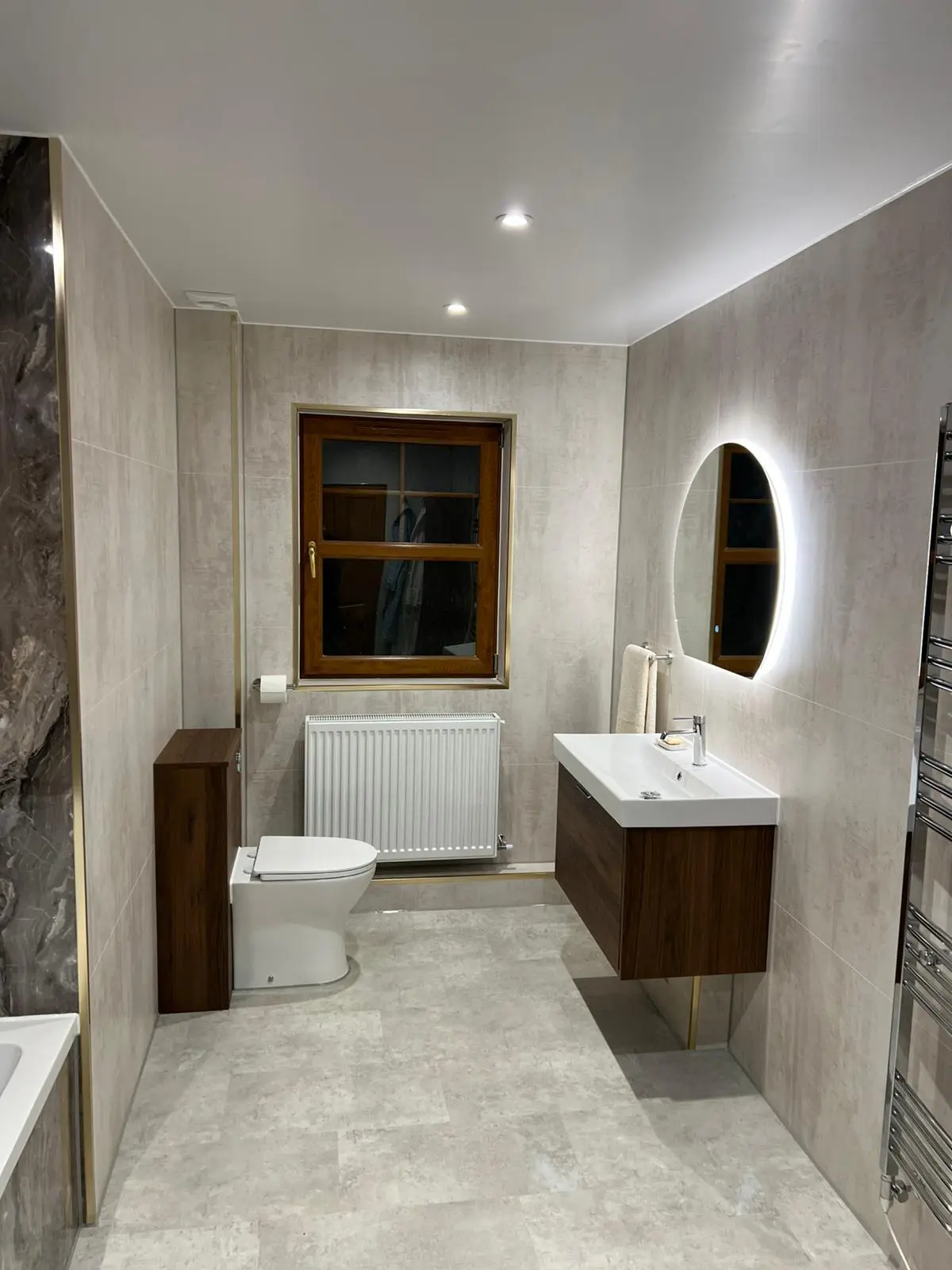
Choose a finish you are willing to maintain. Follow the manufacturer's cleaning guidance rather than using a strong bathroom cleaner on every surface. Products that are suitable for a ceramic basin or glass screen may not be suitable for the floor finish, its seal or the metal trims beside it.
Ask how a damaged area could be repaired and whether keeping spare material would be useful. Matching an exact colour or pattern later may be difficult if a range changes. Plan access to hidden pipes and cables so future plumbing work does not require unnecessary damage to the finished floor. These practical details are worth discussing alongside the appearance of the sample.
Compare the Installed Cost
The floor price should include the agreed preparation, materials, fitting and edge details. Door clearances and the transition to the adjoining floor may need attention too. Compare the full lists of materials and fitting work rather than the advertised price of a box of tiles with a fully fitted vinyl floor.
Our bathroom renovation service can discuss flooring with the rest of the room. Read the bathroom cost guide for other quote differences and wet room versus standard shower for the shower-floor decision. The better choice is the product and installation that suit your bathroom, with a sound base and clear care requirements, rather than a blanket promise that one material is always best for Edinburgh homes.