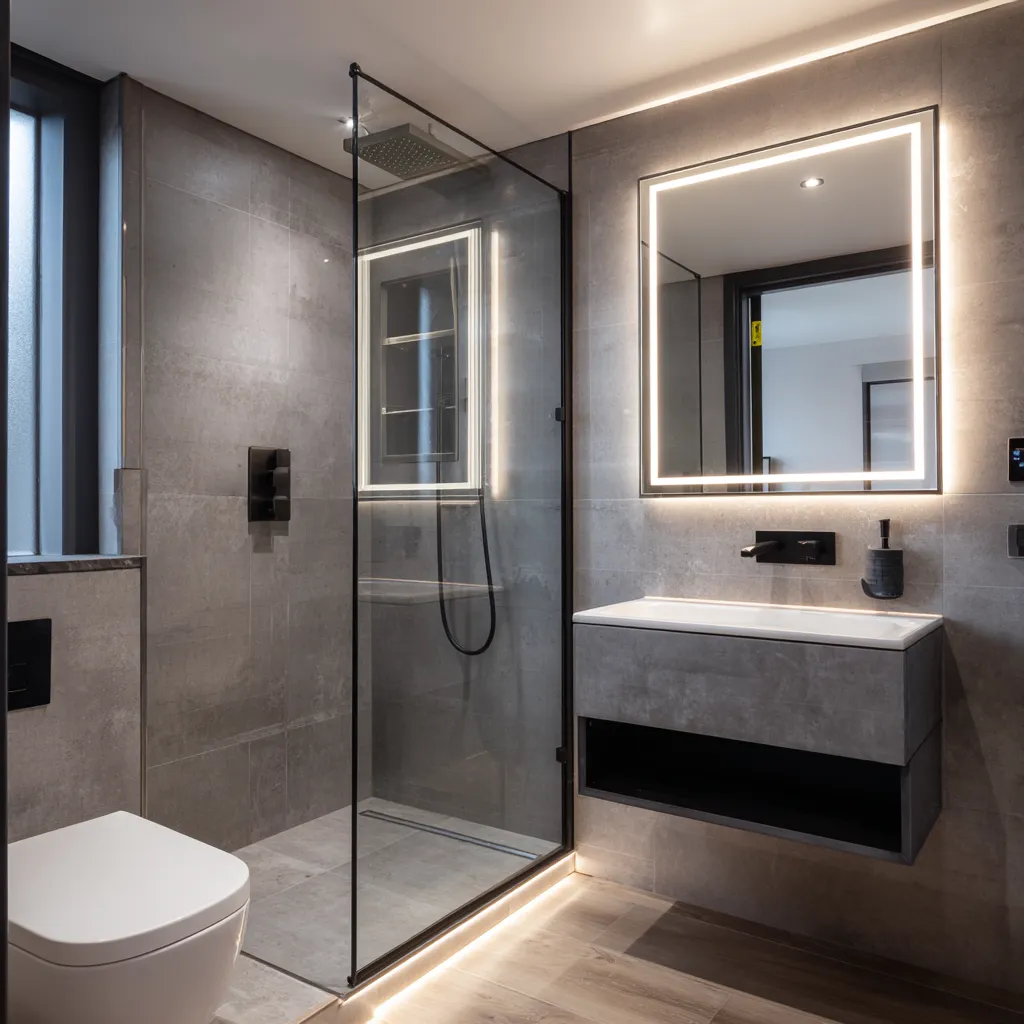
A plain mirror with suitable separate lighting may also work well. Compare the complete arrangement over your basin, including storage and electrical work. This guide explains what to look at before ordering so the mirror adds something useful to the bathroom rather than becoming an expensive accessory with features you rarely use.
Check How the Mirror Lights Your Face
Some mirrors provide light towards the user, while others mainly create a glow behind the glass. Those effects are different. A backlit outline may look attractive without giving the light you need for shaving or applying make-up. Ask to see how the model works, or review the manufacturer's information about the light output and its intended use.
Think about the rest of the bathroom lighting too. A mirror should not be expected to illuminate every corner of the room. Check for shadows and glare around the basin, especially where the ceiling light sits behind the person using it. The useful result is a clear view at the mirror, with comfortable general lighting for the rest of the bathroom.
Choose the Size and Position Together
The mirror should relate to the basin and the people using it, not simply fill the largest possible wall area. Check viewing height, the distance above the tap and any nearby shelves or cupboards. A broad mirror may look balanced over a vanity but become awkward beside a shower screen or a window reveal.
If the mirror is a cabinet, allow room for its doors to open without striking a light, wall or fitting. Check the depth above the basin too. A storage cabinet that projects too far can make washing uncomfortable. Our en-suite ideas guide covers other ways to use storage in a smaller room without crowding the basin or shower entrance.
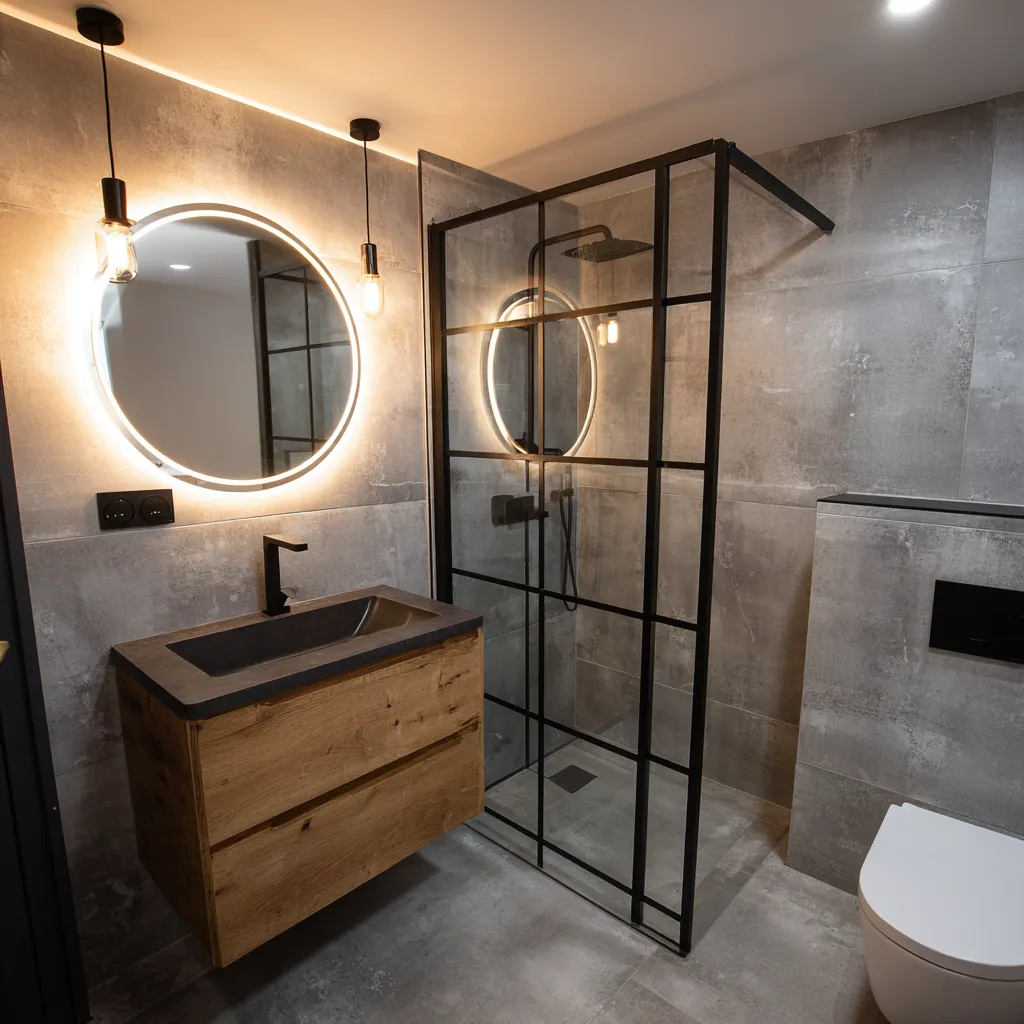
Understand the Demister Feature
A demister heats part of the mirror to help reduce misting on that area. Check the size of the heated section and how it is controlled. It may not keep the whole mirror clear, and different models have different operating arrangements. The product information should explain what to expect and any limits on use.
A demister does not remove moisture from the room or replace an extractor. The bathroom still needs suitable ventilation. If condensation is persistent, investigate the cause rather than buying a mirror to hide one symptom. Read our guide to damp bathrooms for the difference between improving everyday use and addressing an underlying ventilation, leak or building problem.
Keep Controls Simple and Reachable
Touch switches, sensors and dimming settings can be useful, but only if they are easy for the household to operate. Check whether a nearby shelf or object could interfere with a sensor. Consider whether the person using the basin can comfortably reach the control and understand which setting turns on the light or demister.
Additional features such as clocks, speakers or charging points should earn their place. Ask whether you will use them and how they affect price, reliability and replacement options. A simpler product with useful lighting may be a better choice than one with several functions added mainly for display. The room should be easy to use without needing an explanation every time someone visits.
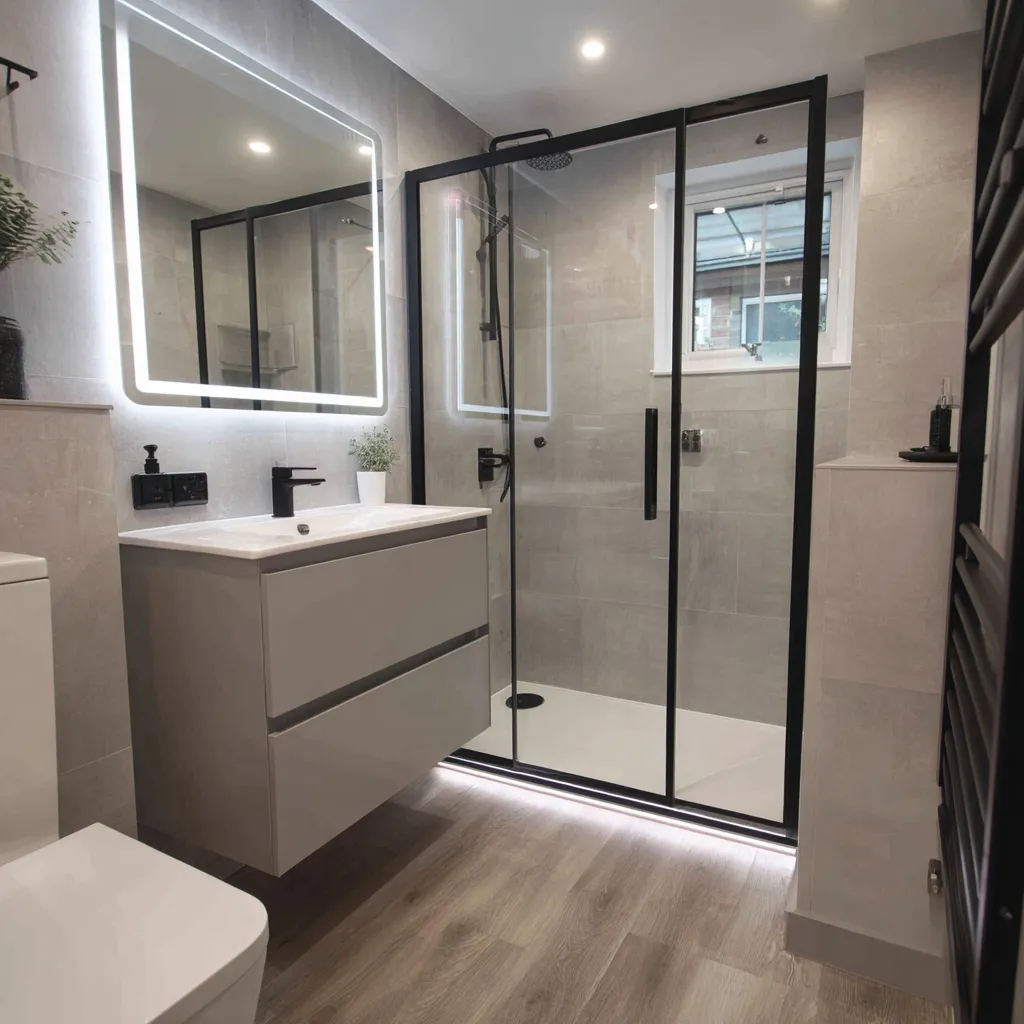
Include the Electrical Work in the Plan
An electrical mirror must be suitable for its bathroom position and installed correctly. The electrician needs the product details and proposed location before deciding how it will be connected. Do not run an extension lead into the room or assume an existing cable is suitable without checking.
Electrical Safety First's bathroom advice explains why electrical safety is particularly important around water. For an Edinburgh installation, the electrician should apply the relevant Scottish requirements and current electrical standards. Product rating and location both matter; a description of the product’s water-protection rating, known as its IP rating, alone is not a complete installation plan. Arrange the work before the wall finish is completed where possible.
Compare the Full Price and Aftercare
Include the mirror, mounting and electrical work when comparing options. Check the product warranty, cleaning guidance and how a fault would be handled. Ask whether a failed component can be replaced and retain the model number and instructions. Do not assume that every integrated light is serviced in the same way.
Our modern bathroom fitting service can plan the mirror with the vanity, lighting and other products. Bring your priorities to the home visit: useful light, storage, a demister or a particular shape. A mirror is worth choosing when it improves the way you use the room and fits the agreed budget, rather than because a list of extra features makes it sound more luxurious.