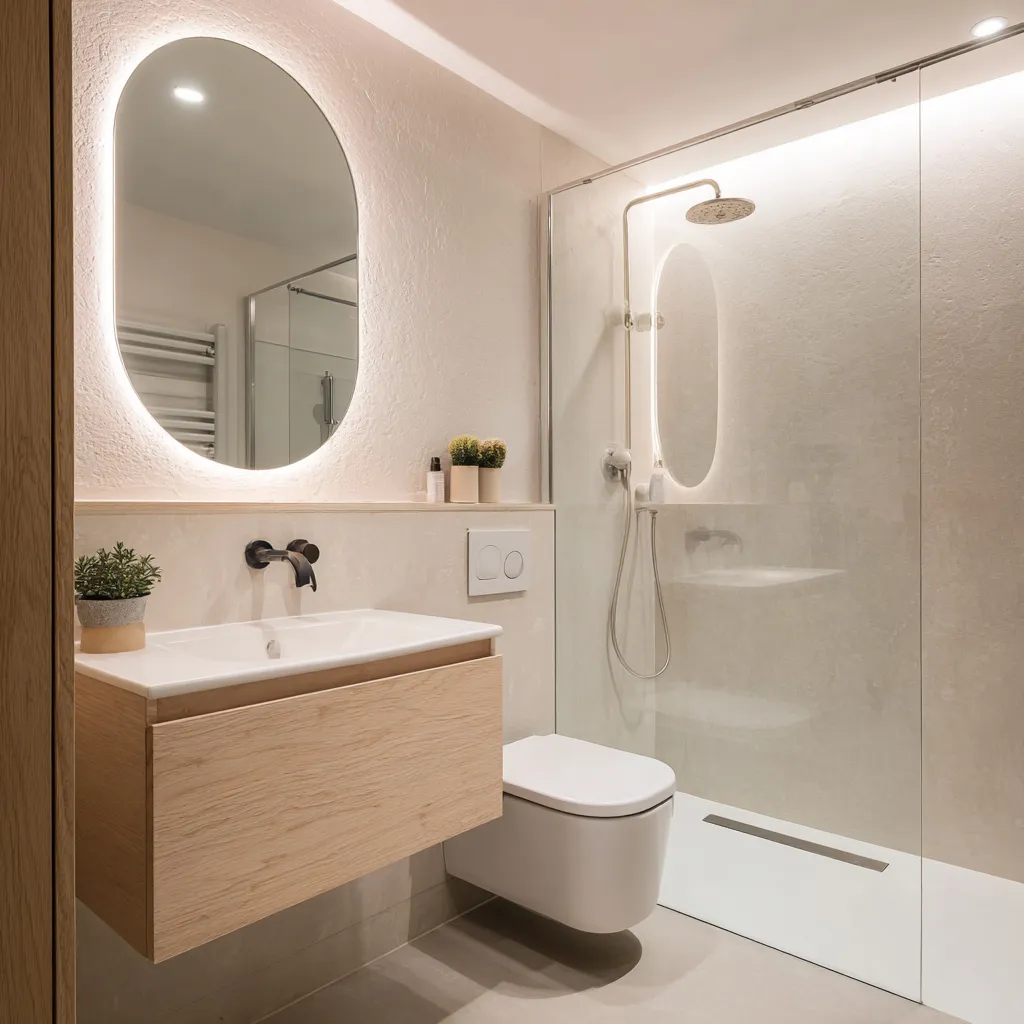
1. Comparing Only the Total Price
Two quotations can cover different jobs. One may include removing the old bathroom, preparing the walls and taking away waste, while another covers fitting only. Put the descriptions beside each other and mark anything missing. Ask each company to price the same agreed work before deciding which offers better value. A lower total tells you little without the details behind it.
2. Accepting an Unclear List of Products
Words such as premium suite or quality shower do not identify what will arrive. Ask for the manufacturer, model, size and finish of the main fittings. Include the shower screen, taps, vanity, wall finish and flooring. Where you have not chosen a product, ask what allowance is included and how a more expensive choice would change the price. Keep the final choices with the quotation.
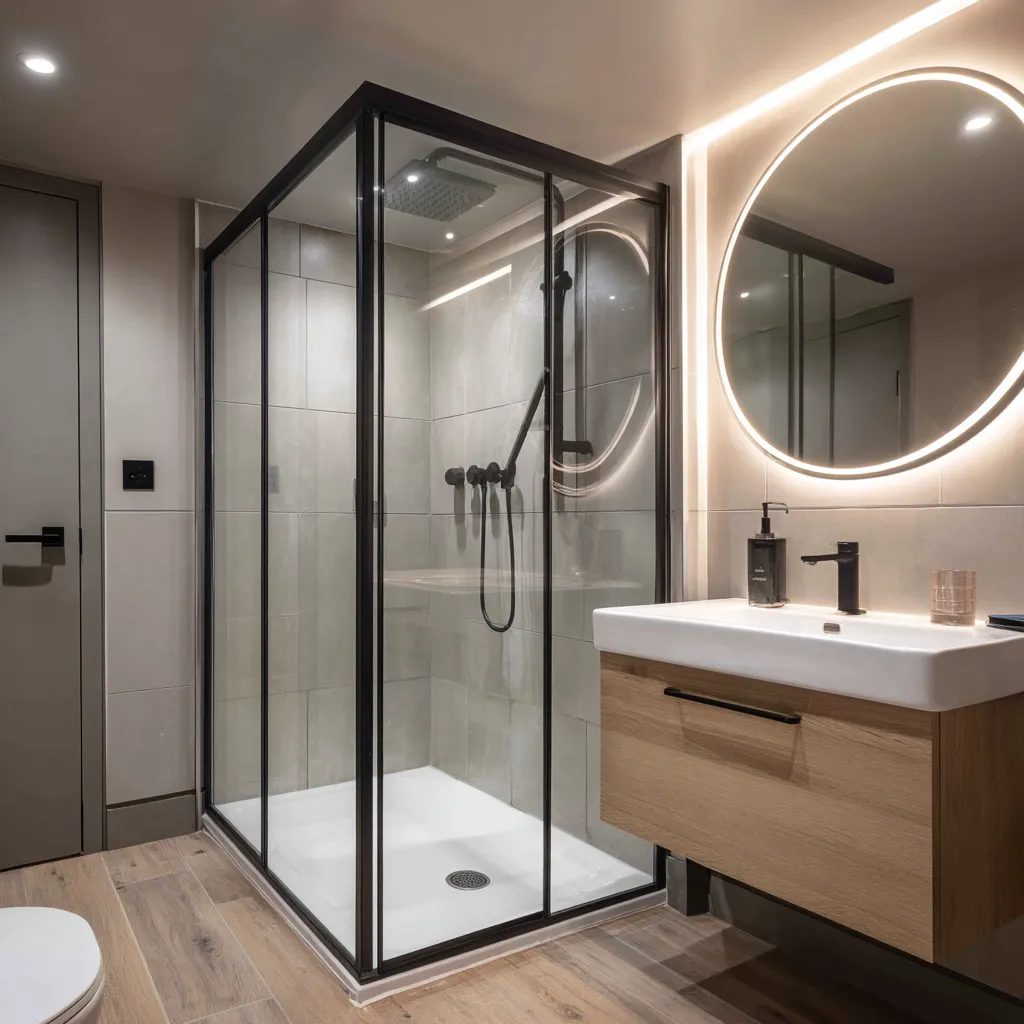
3. Choosing the Layout from a Photograph Alone
A photograph cannot show where your waste pipe runs, how far a drawer opens or whether the new shower suits your water supply. Have the room measured before ordering. Explain where the current bathroom feels cramped and which fittings you actually use. A layout should leave comfortable space at the basin, toilet and shower, with doors and drawers that open without hitting each other.
4. Leaving Preparation Out of the Conversation
New tiles or panels need a suitable surface underneath. Ask what happens if the old bathroom reveals rotten timber, loose plaster or a leak. The quotation should explain the preparation already included and how further work will be discussed and priced. Do not accept a promise that there can never be extra work in an older room that has not yet been opened up.
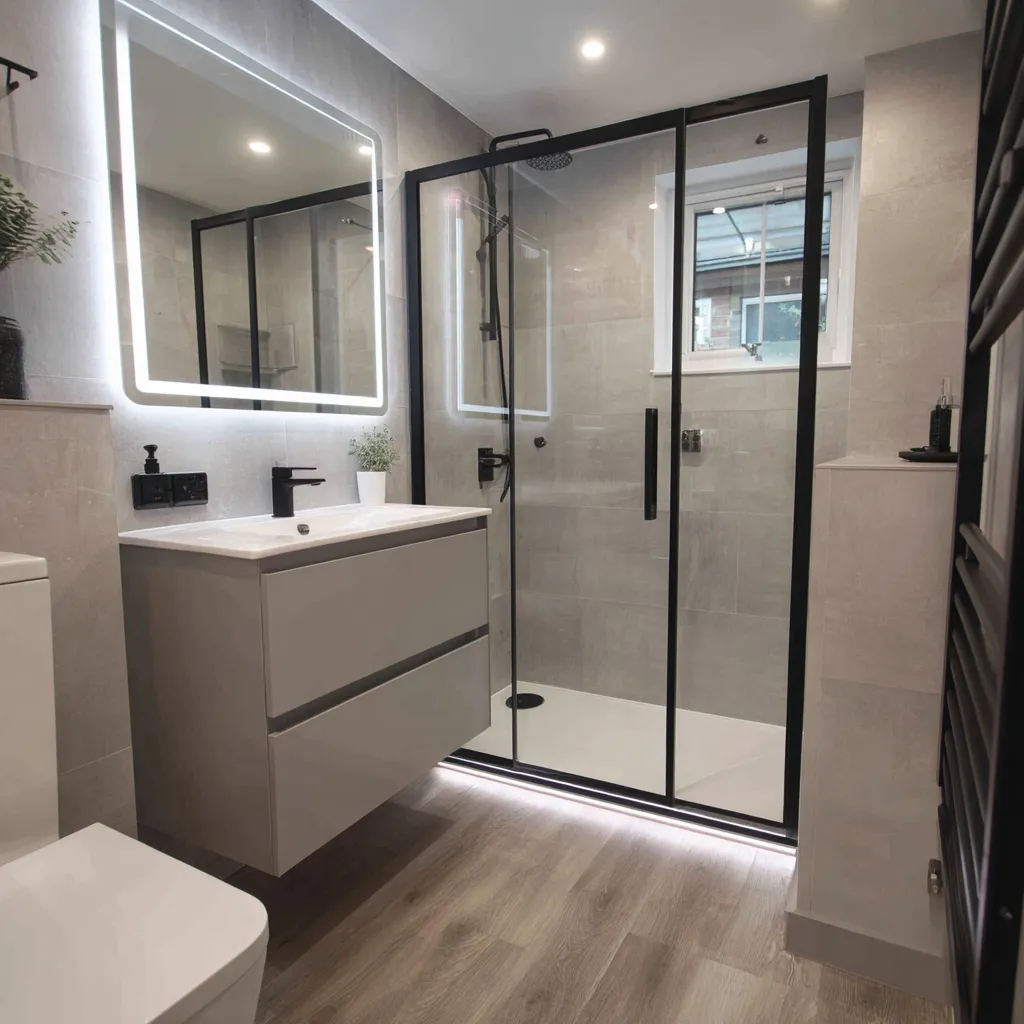
5. Treating Reviews as the Only Check
Read recent, independent feedback for comments about communication, fitting and dealing with problems. A star rating alone does not tell you what work was done. Ask for examples relevant to your job and check that any photographs are genuinely presented as the company's own work. Our guide to choosing a bathroom fitter covers the wider checks to make before booking.
6. Not Knowing Who Is Doing the Work
Ask who will manage the job and how the plumbing, electrical work and finishing will be arranged. You need one clear way to report a problem or agree a change. Where specialist work is needed, ask who will do it and what relevant qualifications or records will be provided. Do not assume a sales contact will also be the person working in your home each day.
7. Accepting a Finish Date Without a Work Plan
Discuss the expected start, fitting stages and any drying time. Ask when the toilet and shower will be unavailable, particularly if this is your only bathroom. Product delays, repairs discovered during removal or a changed specification can affect the programme. Agree how updates will be given. A useful plan explains likely disruption and what happens if the work needs longer than first expected.
8. Leaving Payment Terms Until Work Starts
Read the payment schedule before agreeing the job. It should explain what is due, when it is due and what each payment covers. Keep a written record and obtain receipts. If using finance, compare the total repayable as well as the advertised weekly figure. Read our bathroom finance guide and ask questions about any term you do not understand before signing.
9. Making Changes Without Recording the Price
Moving the shower, changing the tiles or adding a mirror can alter labour and material costs. Ask for the price and any effect on timing before agreeing the change. Keep confirmation with the original quotation so both sides can see the final specification. A quick conversation is useful for discussing an idea, but a written record helps prevent disagreement about what was authorised and included.
10. Skipping the Final Walk-Through
Before handover, go through the agreed work together. Ask how to use the shower controls, remove the shower drain cover for cleaning and reach any valves that need access. Check the doors, drawers, lights and fan. Record anything still to be finished and agree the next step. Keep product instructions, relevant certificates and written guarantee terms somewhere you can find them later.
Ask who to contact if a fault appears after fitting. A product warranty and the fitter's responsibility for installation are not always the same thing. You should understand the promised cover without relying on a headline such as fully guaranteed. If a part has separate manufacturer registration requirements, ask for those details while the product information is still to hand.
For bathroom renovation in Edinburgh, tell us what you want to replace, your postcode and any known problems with the room. We can discuss the work needed for a quotation. Use these checks alongside that conversation so your decision is based on the actual bathroom, clear terms and the work you need done.