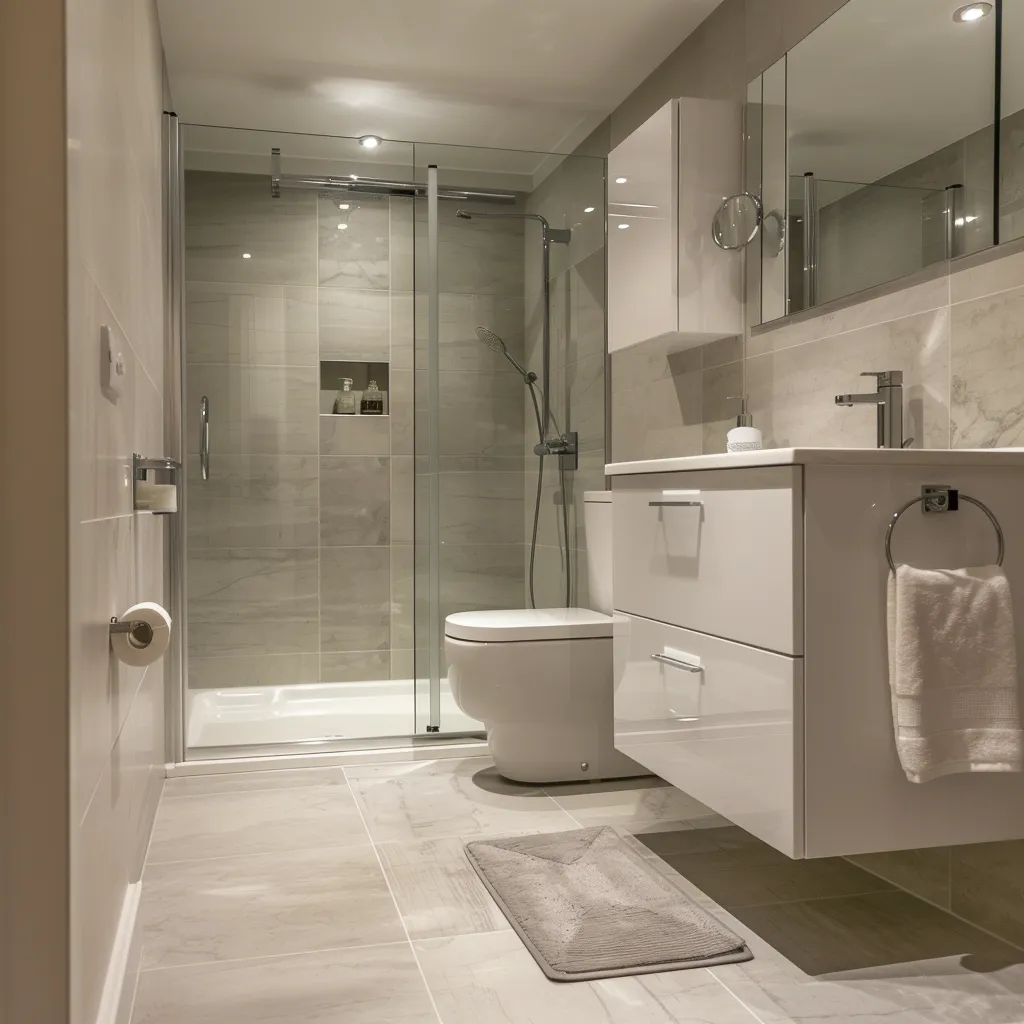
Before ordering or starting, describe the proposed changes to the council's building standards team if there is any doubt. Include the property type, floor level and whether you are moving drainage, changing walls or adding facilities. The answer needs to relate to that proposal, not simply to a job described as a “bathroom makeover”.
Start with the Existing Room
Write down what will be removed, replaced or moved. Replacing a basin in the same general arrangement is different from adding a toilet where there was none. A shower installed in an existing bathroom also raises different questions from turning part of a bedroom into an en-suite.
The City of Edinburgh Council's building standards questions explain examples of replacement and repair work that do not require a warrant, subject to the stated conditions. Exemption from a warrant is not exemption from the relevant building standards. Keep the existing arrangement and the proposed changes clear so the advice you receive is based on the actual work.
Explain the Building Type and Alterations
Tell the council whether the home is a house or a flat, and identify work affecting structure, separating floors or walls, drainage or the exterior. A simple sketch can help show the current and proposed room, but any formal application may need suitably detailed plans and information.
Do not assume that an internal partition is safe to remove or that a new waste pipe can pass through a shared area without further checks. The fitter or designer should check whether the building can support the changes. In an older flat, previous alterations and hidden pipes and cables can affect the proposal. Our tenement bathroom fitting page explains why the floor, pipe routes and shared access need attention before a refit is agreed.
Keep Planning and Building Standards Separate
A building warrant concerns compliance with building standards. Planning permission and listed building consent are separate matters. Work may need one form of permission, more than one, or none, depending on the details. A statement that “planning is not needed” does not answer the building warrant question.
For a listed property or work affecting an external wall, window, vent or pipe, contact the appropriate council team before committing to the design. Explain the actual change rather than relying on the bathroom being inside the home. Keep any written advice and approved plans with the project records. This makes it easier for everyone involved to work from the same agreed information.
Agree Who Handles the Application
If a warrant is needed, identify who will prepare the information, submit the application and respond to questions. The Scottish Government procedural handbook explains the warrant process and the information that may be required. A homeowner may use a designer or other competent adviser to help with that work.
Make the responsibility and fees clear in the bathroom quote. Do not assume that a general fitting price includes drawings, engineering advice or council charges. Allow time for the required approval before the affected work begins. A preferred fitting date is not a reason to proceed without a necessary warrant, and paying an application fee is not the same as receiving approval.
Make Sure the Fitting Follows the Plan
Give the installer the approved information and any conditions relevant to the bathroom. The products and layout should match the agreed design. If something changes after removal, pause to check whether the change needs further approval rather than treating it as a small substitution without checking.
Keep a record of questions and decisions during the work. For example, a changed drain route or unexpected structural issue may affect more than the product list. The right response is to explain the finding, explain which work is now needed and confirm any required approvals. Your bathroom renovation checklist should therefore include paperwork and responsibility as well as the suite and finishes.
Keep the Completion Information
Where a warrant applies, clarify the completion process with the council and the person managing the application. Finishing the visible bathroom does not automatically complete that paperwork. Relevant certificates, inspections and completion information should be identified early so there is no confusion at the end of the job.
Keep copies with the quote, product records and any guarantees. They may be useful for future maintenance, another alteration or a property sale. Our guide to choosing a bathroom fitter covers questions about scope and responsibility. For your own project, obtain advice on the specific building and proposed work; no general article can issue a warrant decision for an unseen bathroom.