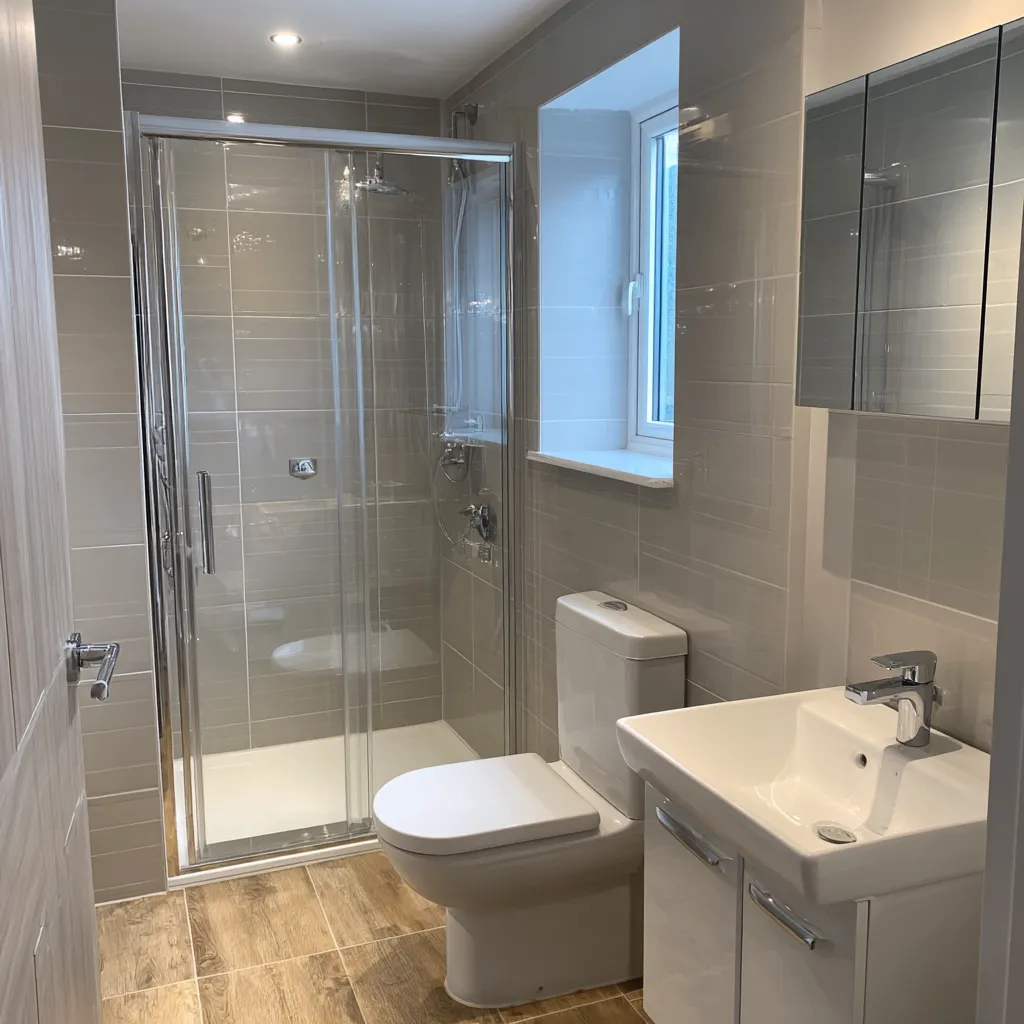
Then work through the room, quote and installation arrangements in order. You do not need to arrive with a complete technical design. A clear list of priorities gives the fitter something useful to work with and helps prevent the job changing repeatedly after products have been ordered. This checklist covers the practical decisions to make before a refit begins.
Decide What to Keep and Replace
List the fittings you want to replace and anything you would prefer to keep. A sound basin or toilet might remain, while a leaking shower or damaged floor needs more attention. Tell the fitter about previous leaks, repairs and any problems with the hot water or extractor, even if they are not visible during the visit.
Choose the main improvement first. If stepping over the bath is the problem, the shower entrance deserves more attention than a decorative mirror. If the room feels cluttered, look at storage and door clearance. A photograph of a room you like can help, but explain which parts appeal to you rather than asking for an exact copy of a different-sized bathroom.
Measure the Room and Check Pipes and Wiring
The fitter needs accurate dimensions, including doors, windows and any awkward corners. The usable space around a product matters as much as its width. Allow room to open drawers, step out of the shower and sit comfortably at the toilet. The bathroom door should not conflict with a cabinet or shower screen.
Water supply, drainage, ventilation and electrical connections also affect the plan. Moving the toilet can involve more work than changing a basin in the same position. For an en-suite or a new room, the pipe and ventilation routes need checking early. If alterations may need permission, follow our building warrant guide and check the actual proposal with the council before proceeding.
Choose Products as a Complete Set
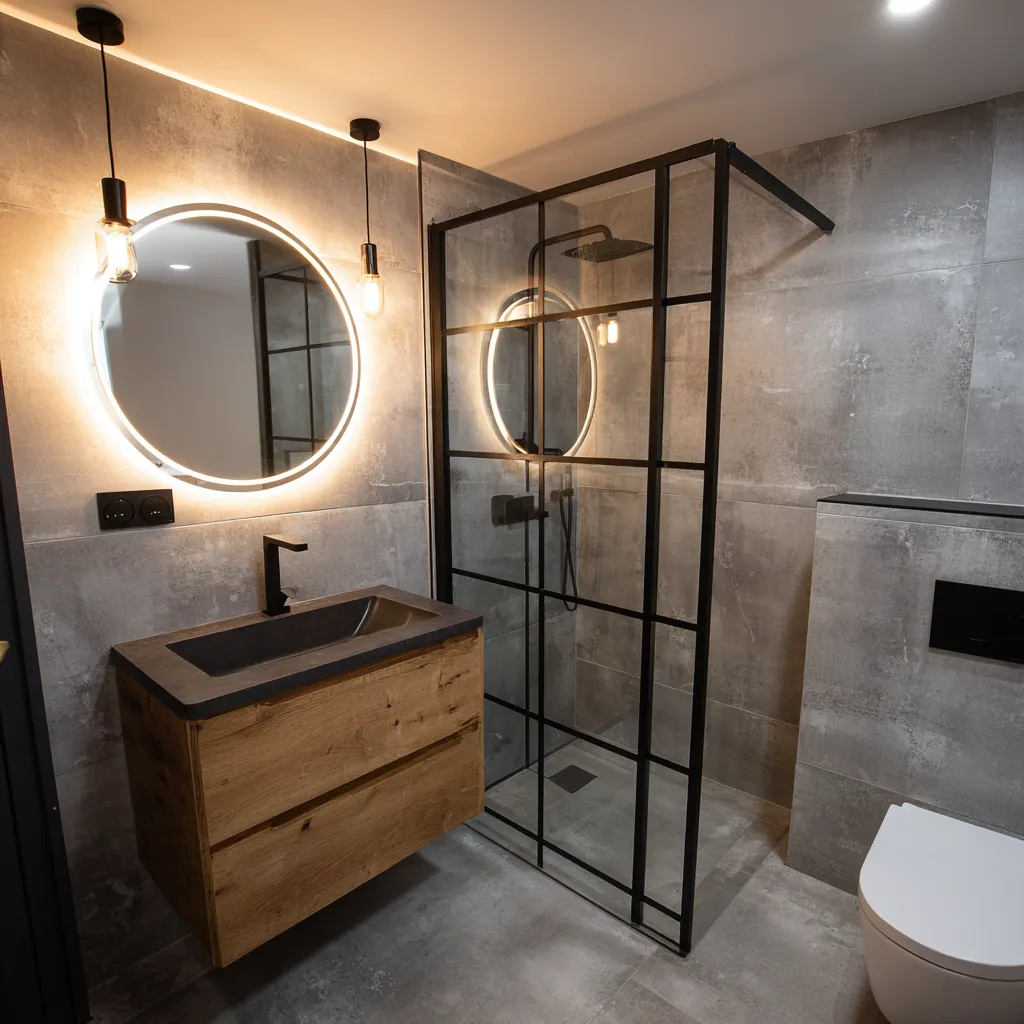
Bring the bath or shower, basin, toilet and storage into one layout. Then choose the wall finish, floor, taps and lighting to work with those fittings. Check product dimensions and care instructions rather than relying only on how a finish looks online. Samples can help show colours under the lighting in your home.
Think about cleaning and access for repairs. A concealed toilet cistern needs a suitable service opening, and a shower waste should remain accessible as designed. A narrow gap behind a freestanding bath can be difficult to clean. Everyday practical details are worth settling while the plan is still easy to change, rather than accepting them as a problem after installation.
Read the Written Quote Carefully
The quote should identify the products and fitting work, including removal, preparation, plumbing, electrics and waste arrangements where included. Check whether wall and floor repairs are covered or need assessing after removal. Ask about any item you do not recognise; a clear quote should make sense without trade knowledge.
Compare the same specification when obtaining more than one quote. A lower figure may exclude work that another includes. Our bathroom renovation service explains the full refit process, while the bathroom cost guide covers common price differences. Agree how extra work will be priced and authorised if a damaged floor or other hidden problem is found.
Prepare the Home for Installation
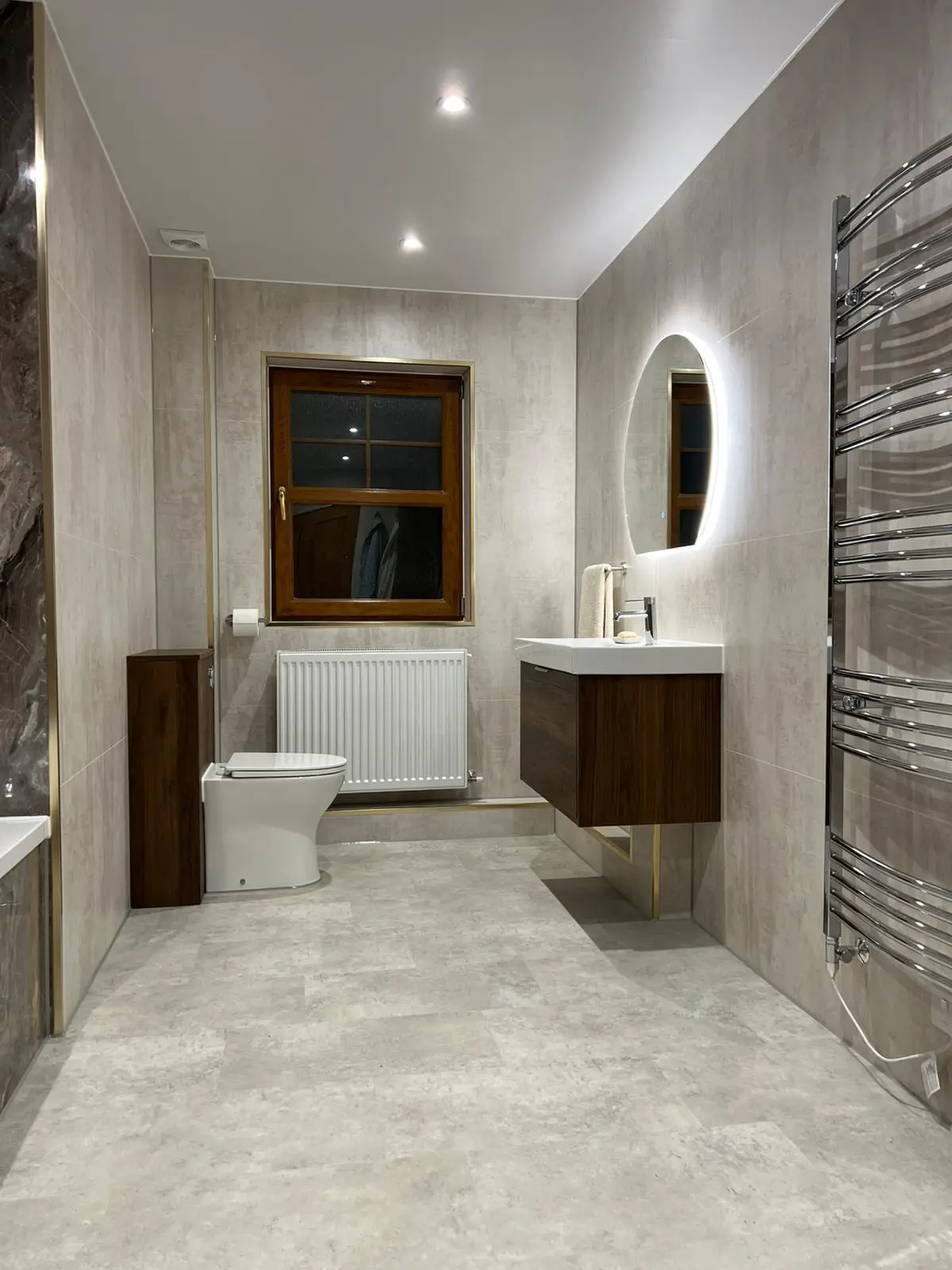
Confirm the start arrangements and expected interruption to the toilet, shower and water supply. If this is your only bathroom, make suitable washing and toilet arrangements before it is taken apart. Clear toiletries, towels and loose belongings, and decide where products can be stored without obstructing the household.
For a flat, discuss shared stairs, entry systems, delivery restrictions and the route for removing the old bathroom. Tell the fitter about any building rules and neighbours who need notice of work affecting shared services. Keep children and pets away from the work area. Good preparation is specific to the home; it is more useful than assuming every job follows the same daily timetable.
Check the Room Before Handover
Walk through the finished room with the fitter. Check that the taps, shower, toilet and drawers operate as intended, and raise any visible issue while it can be discussed directly. Ask when sealants, adhesives or other finishes are ready for use. Using the shower too soon can undermine otherwise careful work.
Keep the quote, product information, care instructions and any relevant certificates together. Know who to contact about a fitting problem and what any written guarantee covers. For questions about selecting the company, read how to choose a bathroom fitter. A finished bathroom should leave you knowing how to use and look after it, with the paperwork needed if a question comes up later.