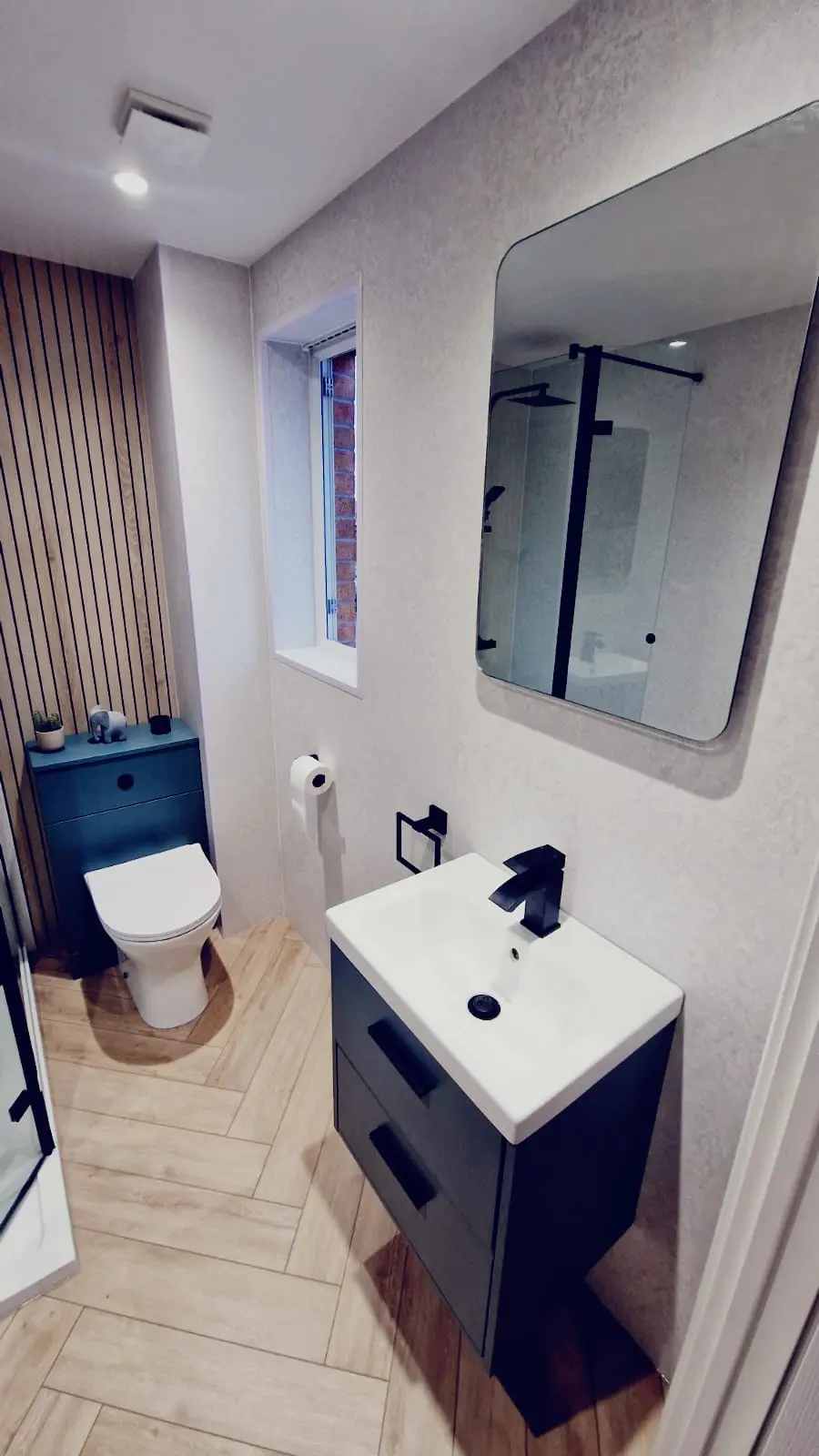
Before ordering a refit, check the requirements that apply to the property and its intended use. Then make the bathroom specification clear to the fitter. This guide covers practical questions about layout, cleaning, maintenance and records. It does not replace the council's licensing decision or advice about the individual building.
Check the Property's Licensing Position
The City of Edinburgh Council's short-term-let licensing page explains the scheme and the types of licence. The council states that a licence is needed before taking bookings or receiving guests on a short-term-let basis. Use its current guidance rather than relying on a checklist written before the scheme began.
Identify the correct type of letting and the conditions relevant to your property. Planning permission, building standards and licensing are separate questions, so one approval does not automatically answer the others. If the bathroom project changes the layout or adds facilities, check whether further approval is needed before work. Keep the council's advice with the project information rather than treating the fitter as the licensing authority.
Plan for the Number of People Using the Room
The bathroom should work for the actual permitted use of the property. Think about the queue for a single room, hot-water demand and how guests move between the toilet, basin and shower. Do not increase occupancy on the assumption that a new shower automatically makes the existing facilities adequate.
If you are considering an extra en-suite, check the routes for water pipes, drainage and ventilation before making promises in the listing. A room with space for a shower tray may still be unsuitable without suitable pipes, ventilation and access. Ask the council or your adviser about any relevant facility requirements, and give the fitter a clear list of the products and work needed rather than asking for an undefined “licence-ready bathroom”.
Choose Fittings Guests Can Use Easily
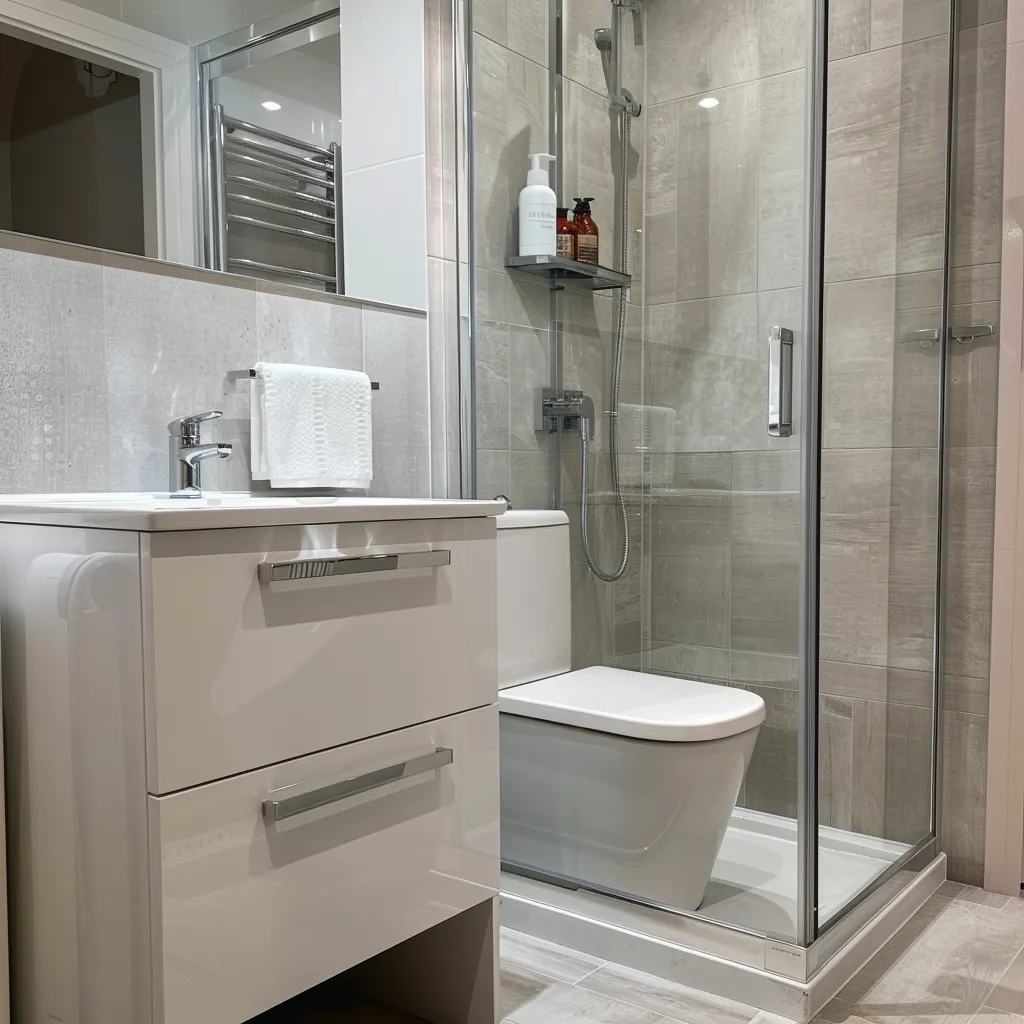
Straightforward shower controls and a clear way to switch on the extractor reduce confusion. Check whether a guest can reach the controls without standing under the spray and whether the mirror lighting is easy to operate. Complicated touch settings may look attractive but need explaining and can be frustrating for someone arriving late.
Provide suitable storage for guests' toiletries and towels, and leave enough clear space to dry off. Think about the bathroom door lock and any emergency release appropriate to the fitting. The room should be usable without balancing belongings on the toilet or leaving towels where they get wet. These are practical design choices, not substitutes for the property's required safety checks.
Make Cleaning and Maintenance Practical
A cleaner needs access around the toilet, basin, shower screen and furniture. Very narrow gaps and awkward corners can make turnover cleaning slower. Choose products whose cleaning instructions can be followed with the supplies you provide, especially where coated metal finishes or particular wall panels need gentle products.
Access for maintenance is equally important. A concealed cistern or shower valve should have the service access intended by the product design. Keep model numbers and installation information so replacement parts can be identified. A broken handle or leaking waste should not require unnecessary damage to finished walls simply because access was never planned when the room was fitted.
Arrange the Refit Around Confirmed Access
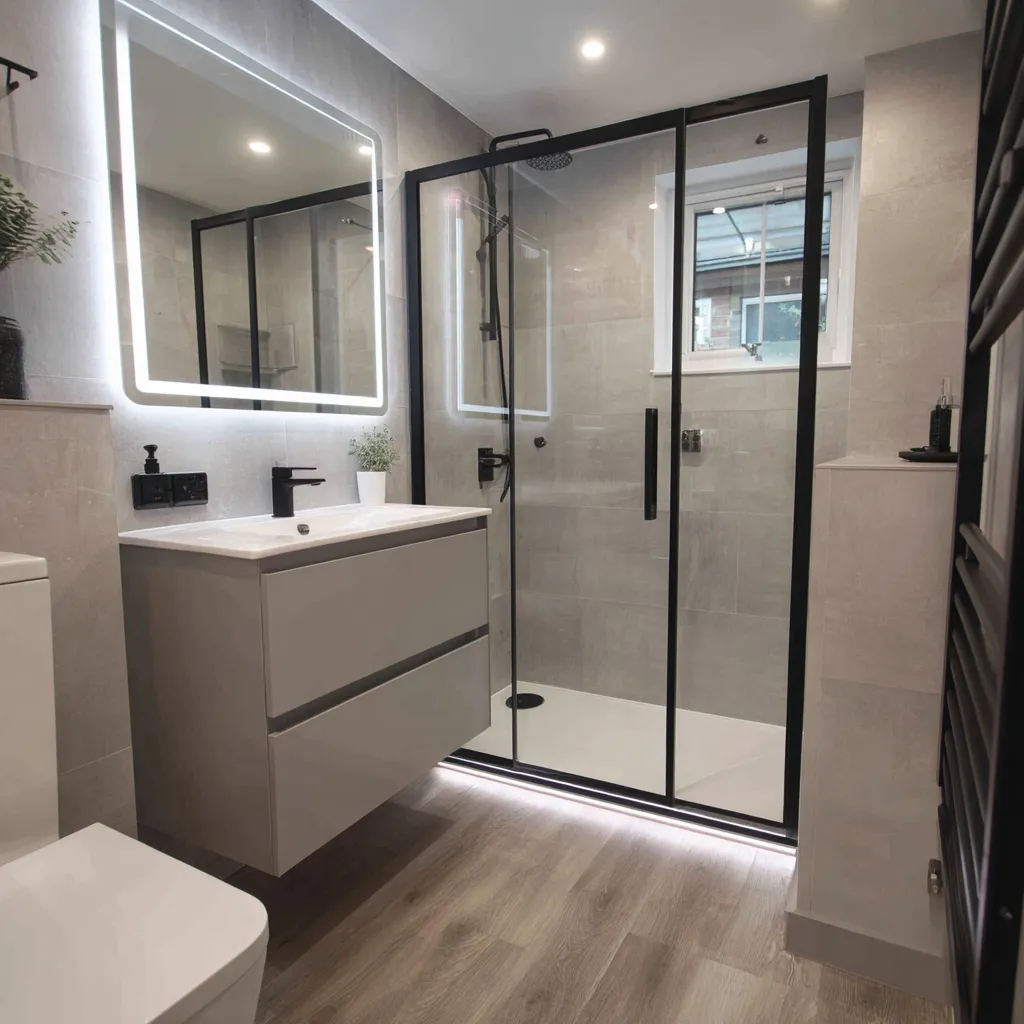
Agree when the property will be empty and which facilities will be unavailable. Do not schedule guests into an unfinished room on the assumption that every bathroom takes the same number of days. Preparation, drying and setting times and any hidden damage can affect the programme, so allow for proper completion checks.
Our landlord bathroom refit service can quote for the agreed products and fitting work. Explain the letting use and any documented requirements before the quote is prepared. Identify who will arrange separate inspections or certificates where needed. The contract should distinguish fitting the bathroom from providing legal or licensing advice about the rest of the accommodation.
Keep Records and Check the Room Between Stays
Retain the quote, product details, care instructions and relevant certificates or approvals. Give the person managing the property a clear contact route for faults. Small leaks, loose fittings and damaged seals should be reported promptly rather than left until the next refurbishment, particularly in a flat where water can affect another home.
Use our bathroom renovation checklist to prepare the work and read how to choose a bathroom fitter when comparing quotes. For licensing, return to the council's current requirements and your own licence conditions. A practical, maintained bathroom supports a well-run property; a contractor's marketing phrase cannot guarantee permission to operate it.