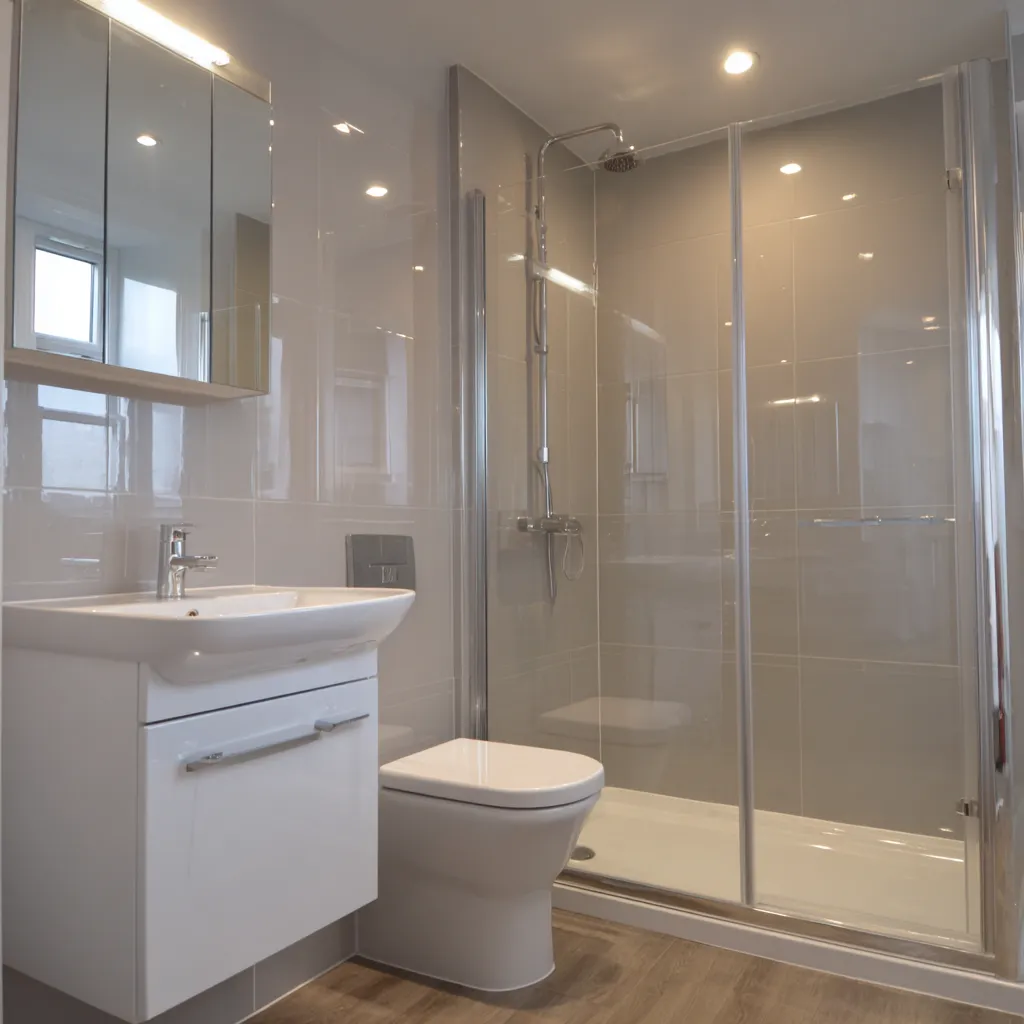
Ask about the whole programme, not just the days when a fitter is on site. Product deliveries, preparation, specialist work and drying and setting times can affect when the room is ready to use. A short advertised timescale should not replace a discussion about which facilities will be unavailable in your home and for how long.
Agree the Bathroom Work Before the Start Date
The layout, products and fitting work should be clear before installation is booked. Late changes to a bath, shower tray or vanity can affect dimensions, connections and delivery arrangements. What looks like a simple swap may require another part of the plan to change too.
Use the written quote to confirm the job: removal, surface preparation, plumbing, electrical work, fitting and finishing where included. Identify any approvals or specialist checks that must happen first. Our bathroom renovation checklist can help organise those decisions. A realistic schedule begins with an agreed list of the work rather than a start date chosen while the main products and layout are still undecided.
Allow for Removal and Inspection
The old suite and finishes need to be removed as agreed, with access and waste arrangements in place. Once the room is opened up, the fitter can inspect areas that were hidden behind the bath or beneath the floor. That stage may confirm the original plan or reveal work that could not be seen at the visit.
A damaged floor, leaking connection or unsuitable wall may need repair before the next stage. Ask how you will be told about the finding and how extra work is authorised. Continuing straight over a problem to protect a promised finish date is not a sensible solution. The timetable should be revised clearly if additional preparation is needed for a sound installation.
Understand the Order of Fitting
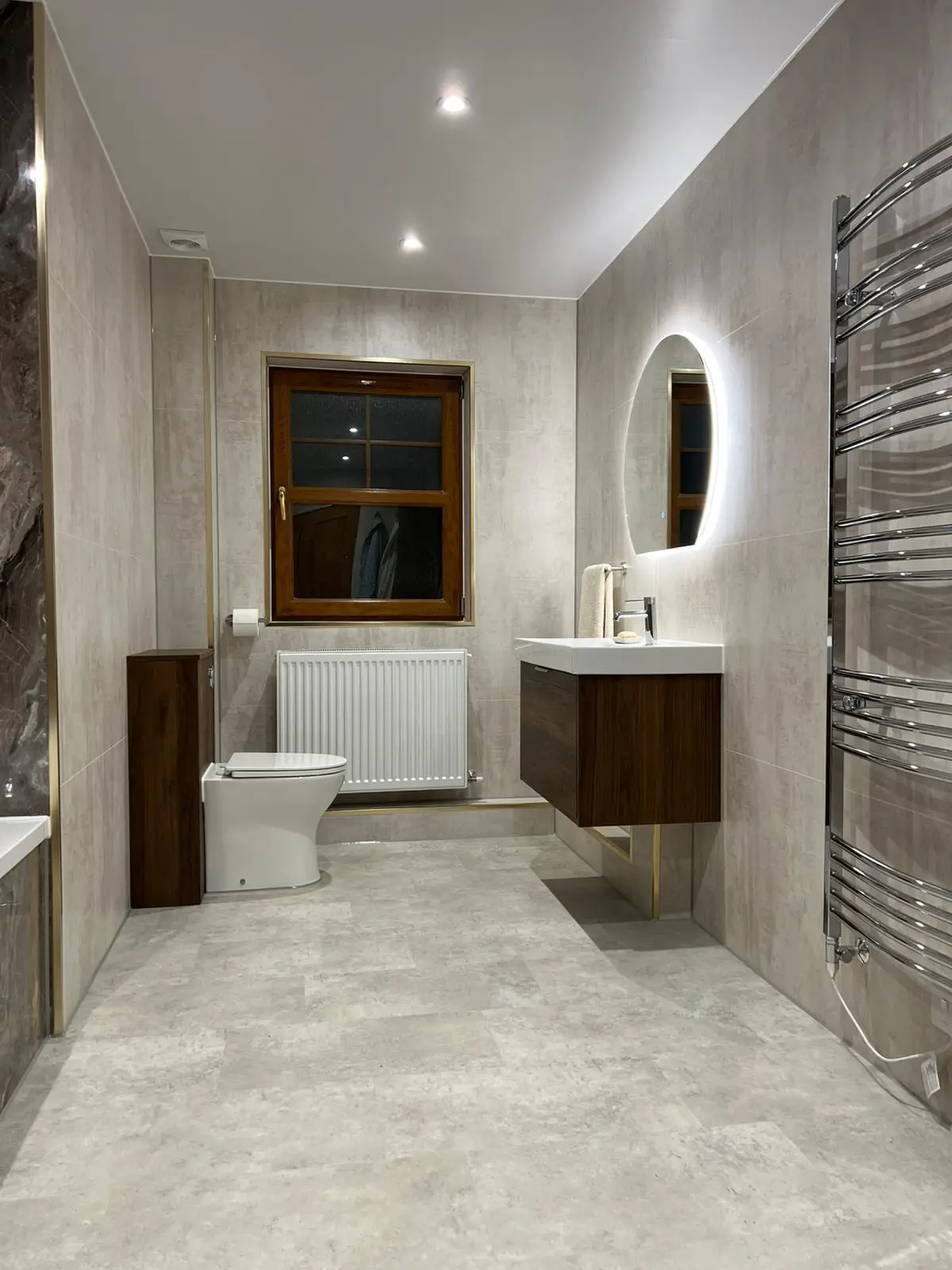
Plumbing, wiring and surfaces need to be ready before the final products and finishes are installed. Water and waste connections, electrical work and ventilation must be coordinated with the room layout. A shower tray or waterproofing system needs the base and supporting details specified by its manufacturer.
Some stages cannot be completed at the same time or immediately after one another. Adhesives, levelling products, grout and sealants may need time before the next work or normal use. The exact periods depend on the products and conditions. Ask the installer which waiting times affect your job rather than assuming that a room looking nearly finished means it can already be showered in.
Plan for the Loss of Facilities
Find out when the toilet, shower, bath and water supply will be unavailable. The answer may differ for each facility and at different stages. If it is the only bathroom, arrange a suitable alternative before work starts, particularly if anyone has care needs or finds travel to another facility difficult.
Tell the fitter about those needs early. Do not rely on an assumption that the toilet can always be reconnected each evening or that the shower will be usable during fitting. Our bathroom renovation service can discuss the work and access arrangements for the actual room. A clear temporary plan is more useful than a broad promise that disruption will be minimal.
Keep Access and Decisions Organised
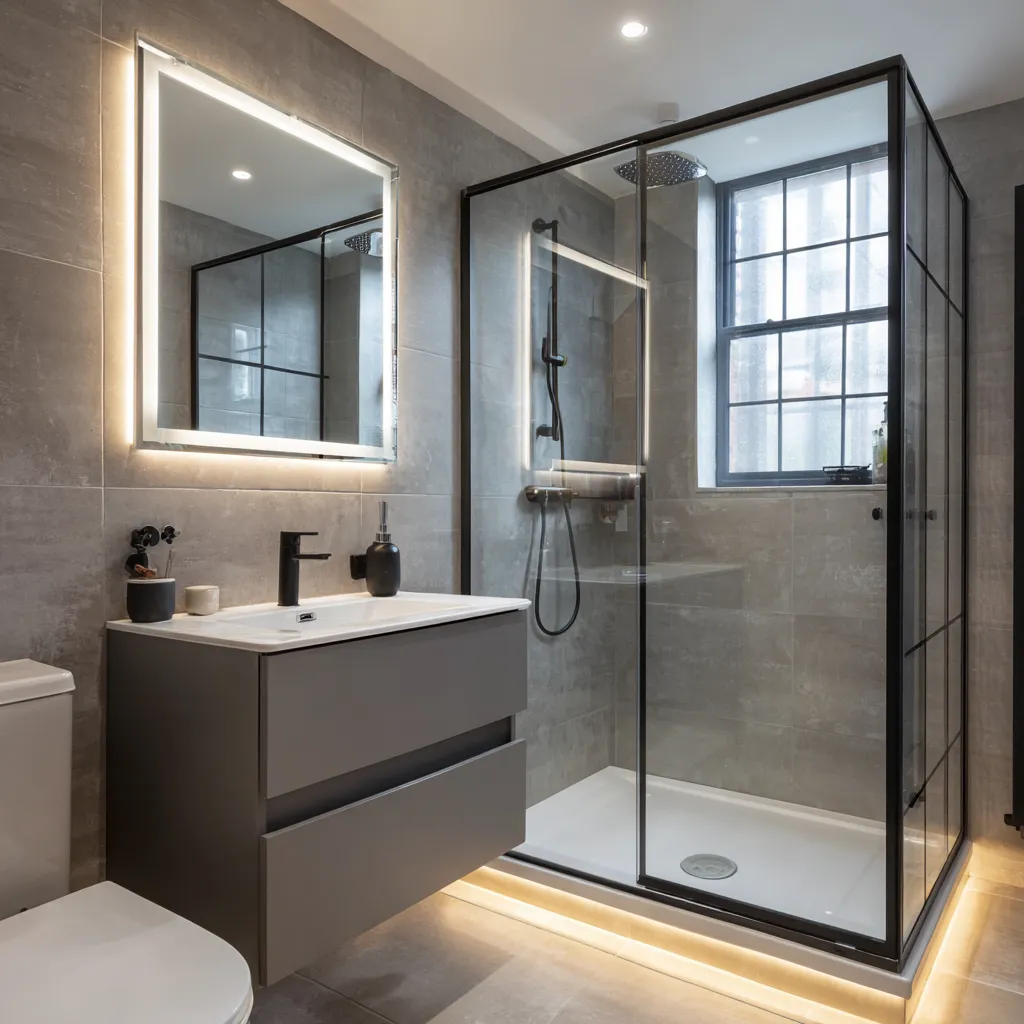
Make sure the agreed delivery and access arrangements are workable. In a flat, confirm entry systems, shared stair restrictions and any building rules. Clear the room of personal belongings and identify where products and tools may be stored without blocking normal movement through the home.
Provide a reliable way to contact you if a decision is needed during the work. Keep choices and changes in writing so both sides understand what has been agreed. A delayed answer about a necessary repair or a change of product can hold up the next stage. The aim is not to rush decisions, but to avoid uncertainty caused by different people working from different versions of the plan.
Allow Time for Checks and Handover
The end of the job includes checking taps, drains, the toilet, shower and other fitted equipment. Walk through the room and raise any visible issue. Ask when each surface and seal is ready for normal use, and keep the care instructions and relevant completion paperwork.
Our guide to choosing a bathroom fitter includes questions about responsibility and aftercare. If you are still choosing materials, compare wall panels and tiles without assuming that one choice guarantees a fixed completion date. The right schedule gives enough time for the agreed work and checks, with any changes explained promptly rather than hidden behind a promise that every bathroom can be finished in the same number of days.