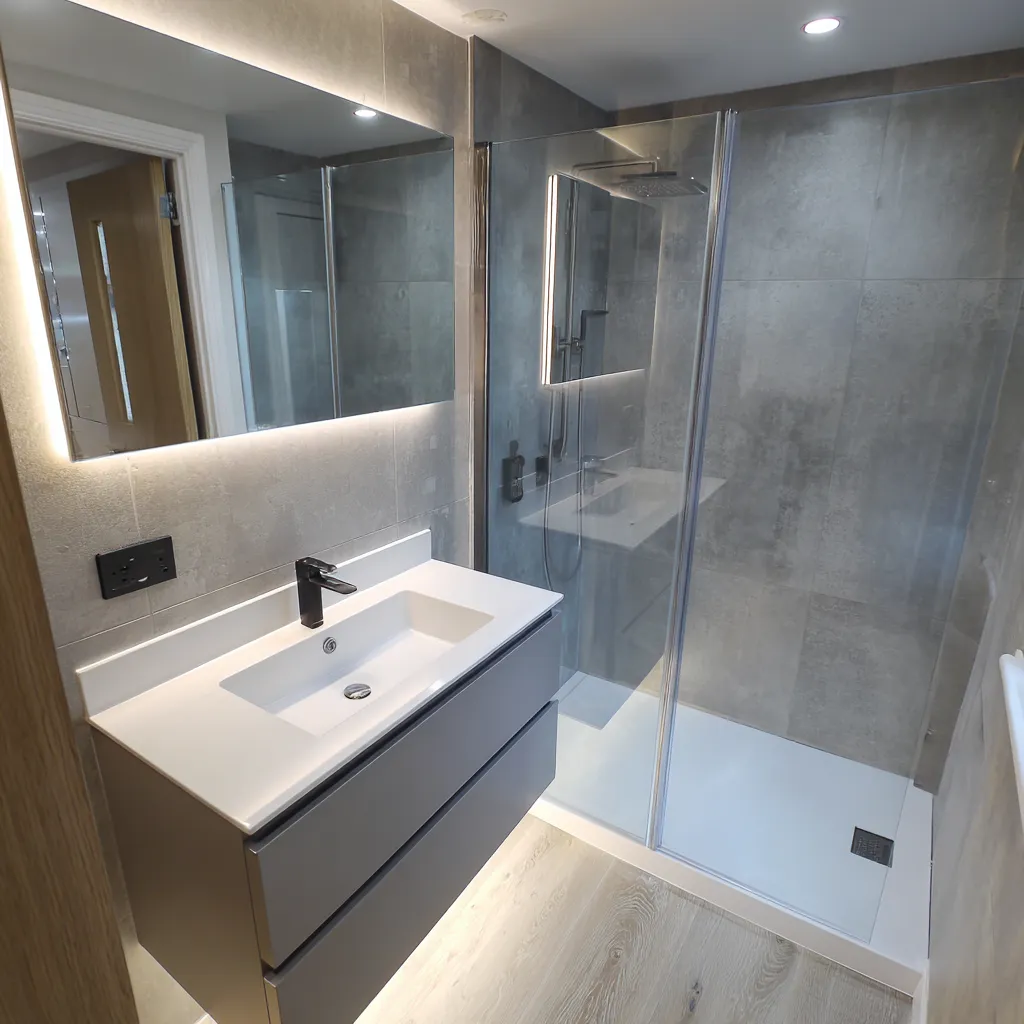
This guide explains where to start in Edinburgh and what to prepare before asking for a quote. It does not replace the council's decision about your application. If you hope to receive funding, do not order products or start work on the assumption that you can claim the cost back later.
Start with Social Care Direct
The City of Edinburgh Council's home adaptation guidance explains how to request help. You or someone supporting you can contact Social Care Direct on 0131 200 2324. An occupational therapist can assess the difficulties you have with everyday tasks at home and recommend suitable equipment or changes.
Explain the actual problem: stepping over the bath, standing long enough to shower, reaching a tap or getting on and off the toilet. Say whether someone helps you and whether that help is becoming difficult. This gives the assessment team a clearer picture than simply asking for a walk-in shower. Ask the council about the current next steps and waiting arrangements rather than relying on a timescale quoted on a contractor's website.
Explain Who Owns the Home
Tell the assessment team whether you own the property, rent privately, rent from the council or have a housing association landlord. The route for agreeing and paying for work can differ. A tenant should involve the landlord before changes are ordered, particularly if the work affects the floor, shared services or the layout of the flat.
For a flat, explain where the bathroom is and how you reach it. A better shower does not remove difficulties with stairs or access through the rest of the home. The assessment should consider the person and the home together. Keep any landlord letters or previous assessment information available so you do not have to explain the same arrangements repeatedly.
Understand the Funding Decision
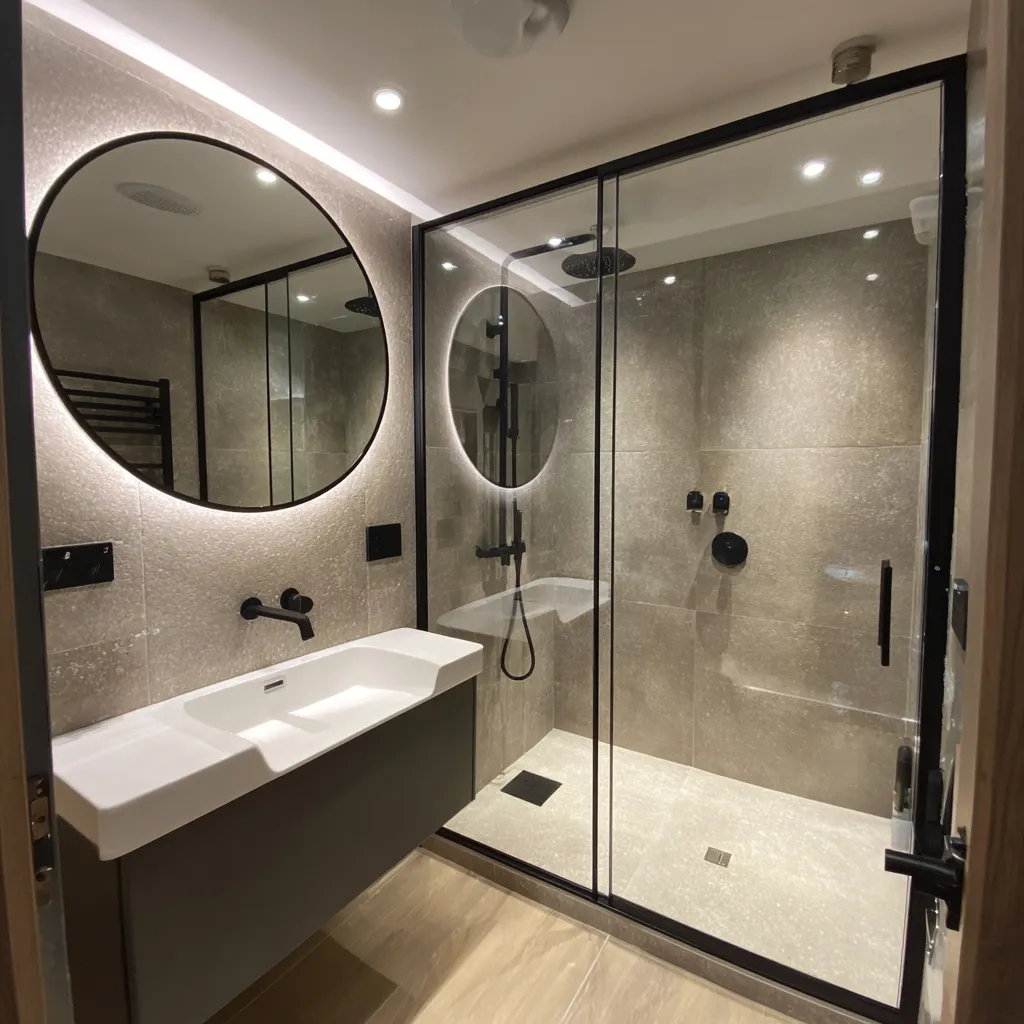
Edinburgh's housing strategy for 2025–2030 describes grants of 80% or 100% for assessed adaptations in the private sector. That does not mean every applicant receives 100% of their preferred bathroom specification. The approved work, eligible costs and your circumstances determine what applies.
Ask for a written decision showing the work approved, the amount covered and anything you must pay. Separate the necessary adaptation from optional changes you would like at the same time. A different vanity, decorative finish or additional work elsewhere may not be included. Keeping those items separate makes it easier to compare the funding decision with the contractor's quote.
Turn the Assessment into a Clear Quote
Share the relevant recommendations with the fitter. A useful quote identifies the shower access, controls, support rails, seating, floor finish and any other assessed changes. It should also describe the preparation, plumbing and waterproofing work needed to fit them properly. A single total with “accessible bathroom” written beside it is not enough detail.
Ask which products are proposed and whether substitutions would need approval. A seat's weight limit, a rail's fixing method or the height of a toilet can matter to the person using it. If you need a private fitting quote, our accessible bathroom service explains the work we can discuss. A quote from us is not a council funding decision or evidence of council approval.
Agree the Work Before It Starts
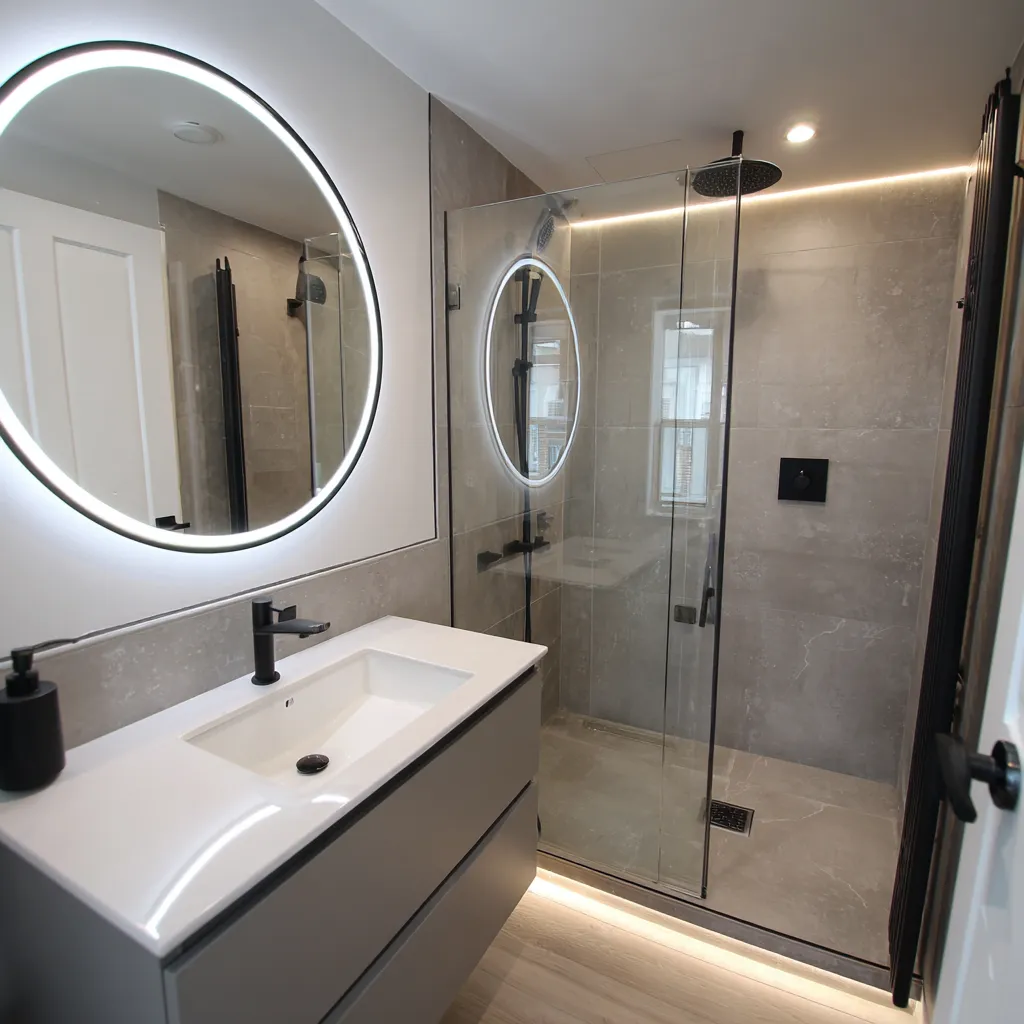
Wait for the necessary written approvals, including landlord permission where relevant. Confirm who appoints the contractor, who pays them and whether invoices or completion evidence must be supplied. Keep copies of the assessment, approved list of changes, quote and any conditions attached to the funding. These documents should describe the same job.
Then agree access and the expected interruption to bathroom facilities. If it is the only bathroom, explain your washing and toilet needs before a start date is chosen. Ask what happens if removing the old fittings reveals a damaged floor or an unsuitable drain. An extra repair may need a separate decision rather than being automatically covered by the original approval.
If Your Needs Change While You Wait
Let the assessment team know if using the bathroom becomes harder or your circumstances change. Ask whether suitable equipment or a smaller temporary change could help. Do not improvise support with a towel rail, loose chair or an unassessed product that might not be suitable for you.
You can also read our guide to planning an accessible bathroom and the differences between a wet room and a standard shower. They can help you prepare questions, but the best layout depends on your own needs. If paying privately, still consider an occupational therapy assessment before buying equipment or agreeing a major adaptation.