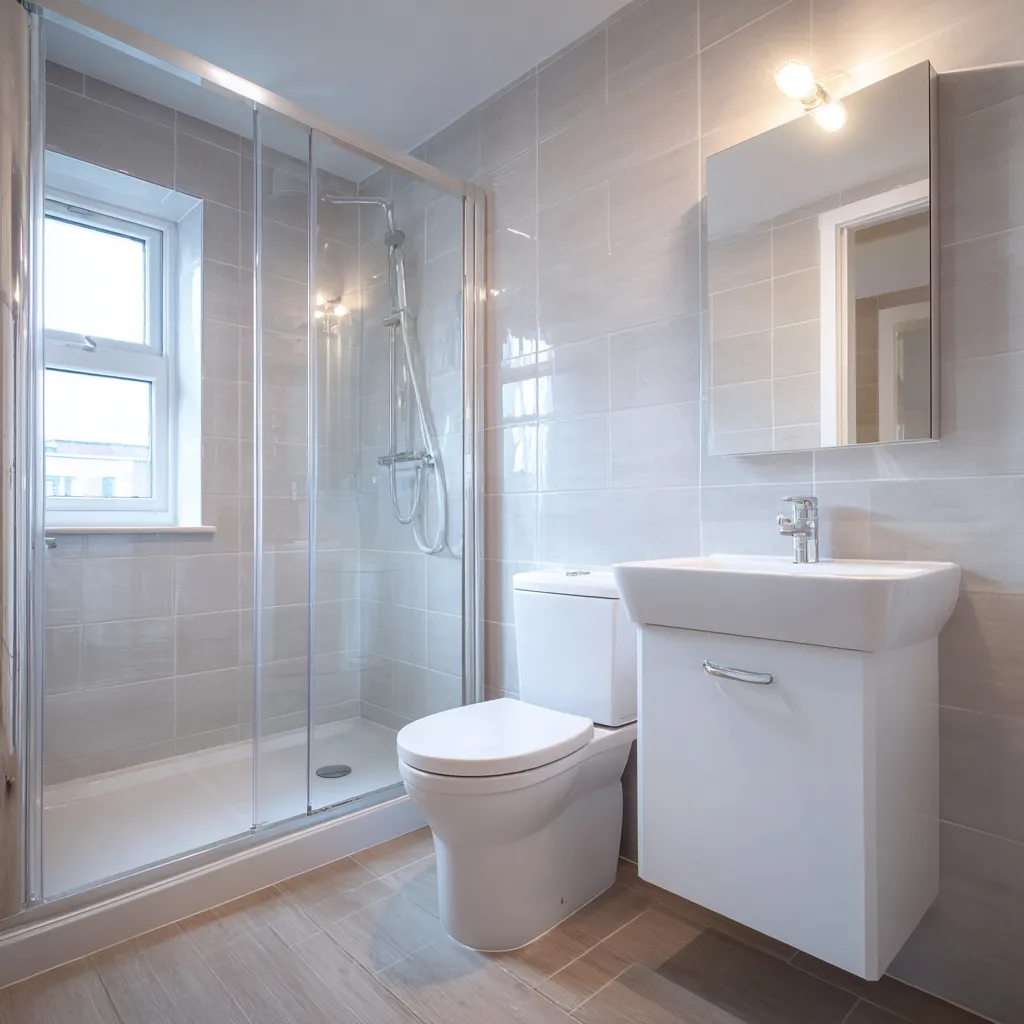
This is especially worth checking when adding an en-suite or replacing a small shower head with a larger one. You do not necessarily need a new boiler just because you are refitting the bathroom. Have the current system assessed, describe how the household uses hot water and choose the bathroom fittings around what can realistically be supplied.
Identify the System You Already Have
A combi boiler heats domestic hot water when it is needed, rather than drawing it from a separate hot-water cylinder. A system boiler normally works with a cylinder that stores hot water. Other arrangements exist, including conventional boiler systems and electric water heating, so do not identify the system solely from the cupboard size.
If you are unsure, provide the heating engineer with the boiler model and photographs of the visible equipment. Do not remove covers or adjust controls you do not understand. Vaillant's boiler type guide explains the broad differences, but your own installation still needs checking before products or alterations are specified.
Match the Shower to the Available Supply
The shower needs suitable pressure and flow at the point of use. Pressure describes the force of the supply; flow is the quantity of water delivered over time. A reading taken without other outlets running does not by itself show what happens when someone uses the kitchen tap during a shower.
Ask the installer to compare the proposed shower's requirements with measured conditions and the hot-water system. A wide overhead head may feel disappointing if the supply is inadequate. Choosing a compatible head and control can be more sensible than selecting a large fitting first and trying to solve the water supply afterwards. Read our Edinburgh shower water guide for the questions to raise at the visit.
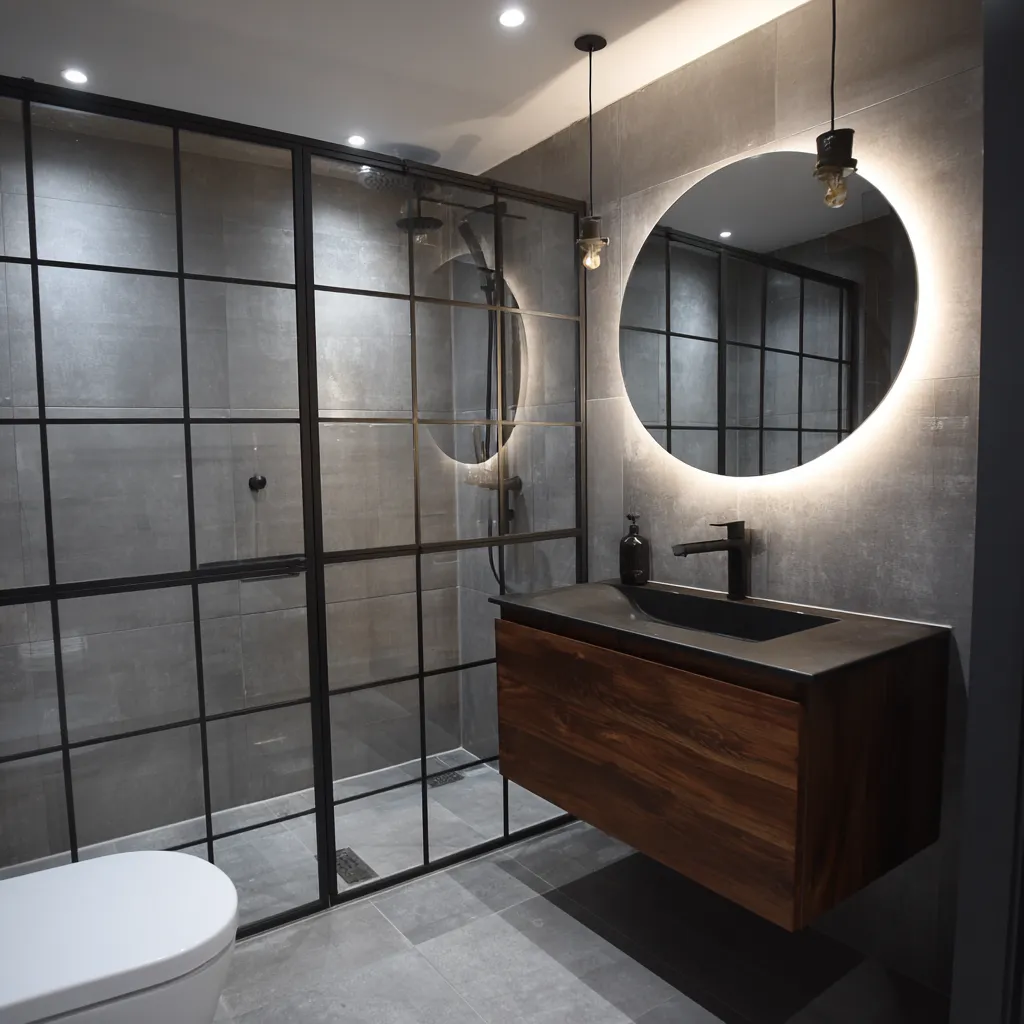
Consider Simultaneous Hot-Water Use
Tell the engineer how many showers and taps are likely to run together. A home with one bathroom used at different times has different demand from a household where two people shower at once. The number of bedrooms alone cannot describe that pattern accurately.
Combi performance depends on both the appliance and the available incoming water. A stored-water arrangement also depends on its design, usable hot-water volume and the way it is supplied. Neither label guarantees a particular result in every flat. Ask for the proposed shower performance to be explained for your household's use rather than accepting “combi” or “system” as a complete answer.
Do Not Add a Pump Without Proper Advice
A pump is not a universal cure for a weak shower. Its suitability depends on the water system and applicable requirements. Some products are designed for particular stored-water arrangements and are unsuitable for a combi installation. The Vaillant shower-pressure guide explains why a conventional power shower is not simply added to a combi boiler.
Do not buy a pump based on an online suggestion before the system has been assessed. The same caution applies to changing pipe sizes or selecting a higher-demand shower. Ask what is causing the poor performance, what the proposed change will achieve and whether other work is necessary. Find out what is causing the weak shower before buying equipment to improve it.
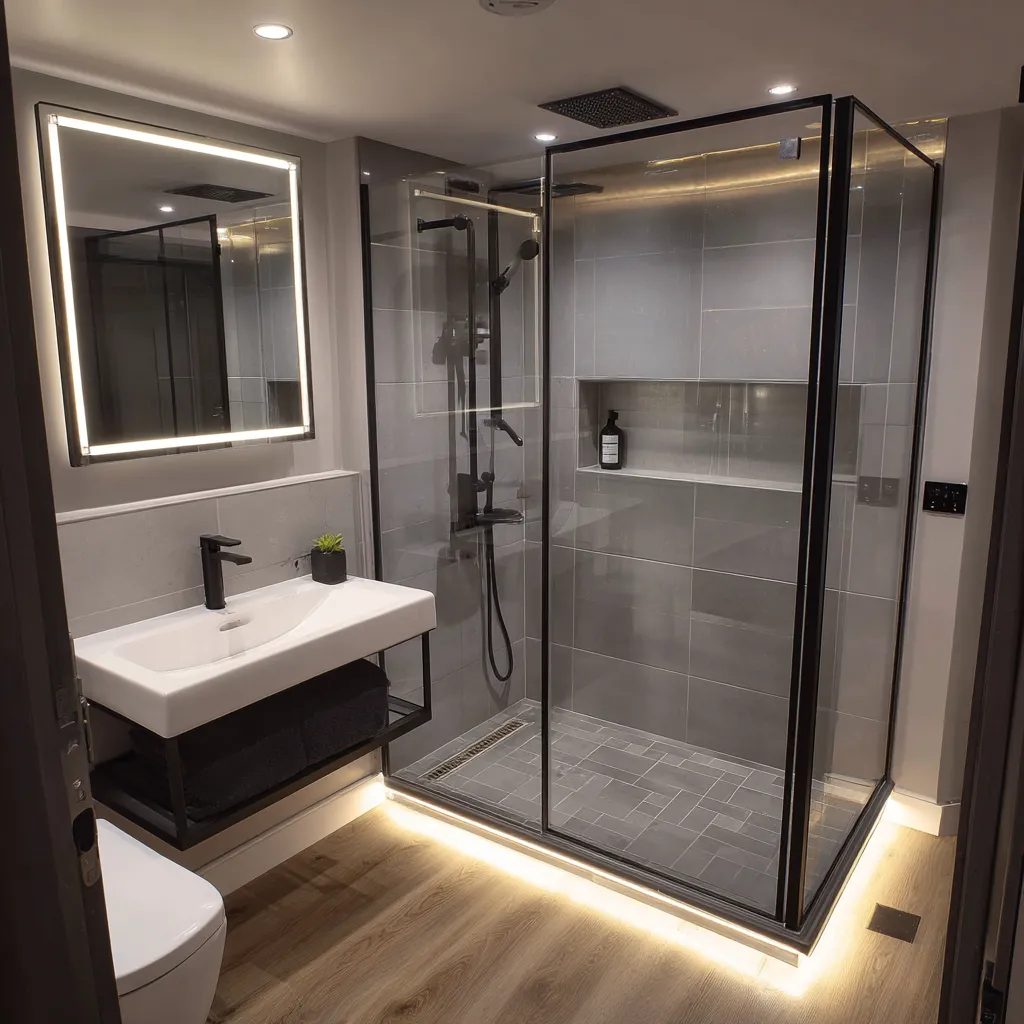
Plan Any Heating Work Separately
Changing a boiler or cylinder is a separate job from replacing bathroom fittings. It can affect space, controls, pipework and installation arrangements elsewhere in the home. Gas work must be undertaken by a suitably registered Gas Safe engineer. The bathroom quote should make clear whether any heating-system work is included or needs a separate specialist quote.
In a tenement, also check which pipes or water supplies are shared and any permissions relevant to proposed alterations. Do not assume that equipment can move to a new cupboard without checking ventilation, access and the required connections. If your existing hot-water system works well with appropriate fittings, replacing it solely to support an oversized shower may not be the best use of the bathroom budget.
Agree the Bathroom Products After the Checks
Once the supply and system are understood, choose the shower, basin taps and any bath filler with compatible requirements. Keep the product details with the quote so a later substitution can be checked too. A visually similar fitting can have different performance requirements, so appearance alone cannot tell you whether it will work with your water supply.
Our shower room installation service can discuss the bathroom layout and fitting work. For the wider plan, read the bathroom renovation checklist. The aim is a shower that performs properly with the agreed system, with any additional heating work identified before the room is finished and access to the pipes becomes more difficult.