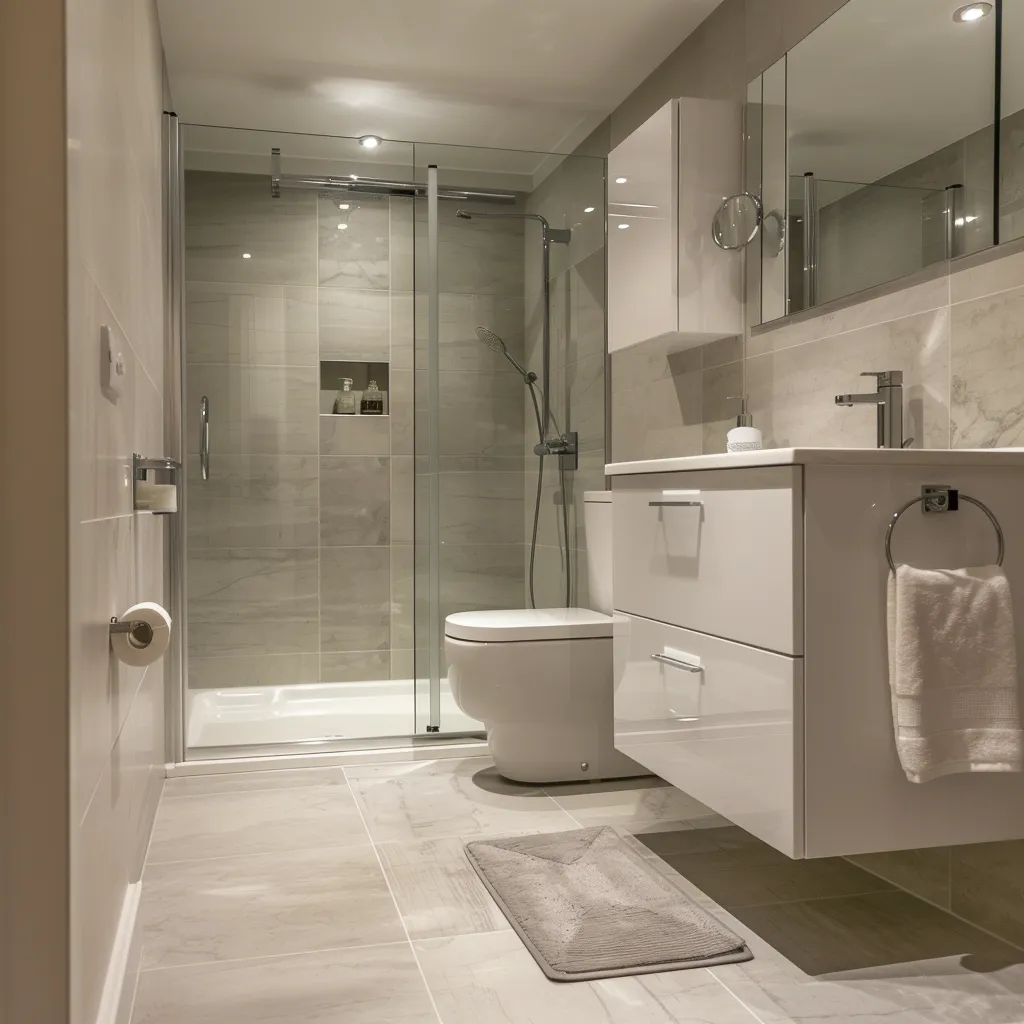
This guide explains the questions to raise with the plumber and Scottish Water. It does not provide instructions for testing drinking water or repairing lead pipes yourself. If you have concerns about the water you drink or use for cooking, contact Scottish Water for advice about your supply and appropriate testing.
Identify the Supply and the Affected Pipework
The visible pipe under the basin may be only a small part of the route supplying the home. Older pipework can remain elsewhere, including shared areas or the section entering the property. Ask the plumber to explain what has been identified and which parts of the supply are covered by the proposed work.
Do not assume that a shiny new connection confirms the whole route is free of lead. Equally, the age of a building alone does not tell you what every pipe is made from. Keep any previous replacement records or test results available. They can help distinguish known information from areas that still need inspection, especially in a flat where the supply may pass through common parts of the building.
Ask Scottish Water About Drinking-Water Concerns
Scottish Water's lead and drinking-water advice explains steps to take while lead pipes are being addressed. It specifically warns that boiling does not remove lead. Do not treat boiling, a change of bathroom tap or an unspecified filter as proof that a lead issue has been solved.
Follow the current advice for your household and contact Scottish Water if you are concerned. Explain what pipework has been found and whether any water sampling has already taken place. Keep the response and any results so the plumber and other people involved can work from the same information. Drinking-water advice should come from the relevant qualified source, not a bathroom sales claim.
Check Who Is Responsible for Each Pipe
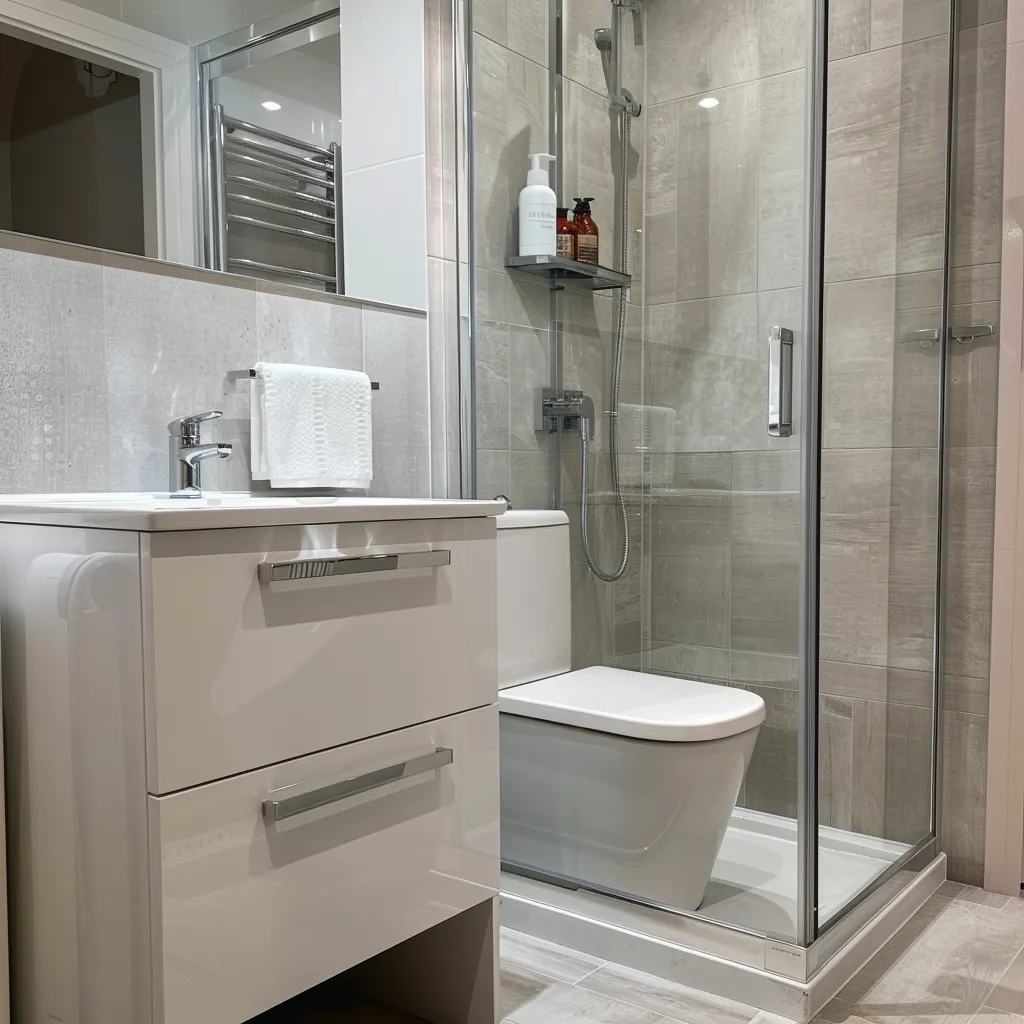
Responsibility can differ between the public supply connection, private supply pipe and internal plumbing. In a tenement, there may also be shared pipes and access arrangements to check. Ask Scottish Water and the relevant property owners or factor about the actual route rather than assuming that one bathroom contractor can authorise work everywhere it runs.
Scottish Water publishes information on lead pipe replacement and related factsheets. Use the current process for your circumstances. Do not assume that all replacement is free, that a grant is guaranteed or that work to your private pipe automatically schedules work by Scottish Water at the same time.
List the Pipes Being Replaced
The plumbing quote should identify the sections to be replaced, the new route where relevant and which walls or floors will be repaired afterwards. Check whether access through floors, cupboards or shared spaces is needed. A bathroom fitting quote and a wider supply-pipe replacement may be separate jobs with different responsibilities.
Ask how water interruption will be arranged and who needs notice. If neighbours share the supply or access is needed through another property, coordination should happen before a start date is fixed. Keep this work visible in the bathroom programme so new panels or flooring are not installed over areas that still need to be opened for the replacement.
Coordinate Plumbing with the Bathroom Refit
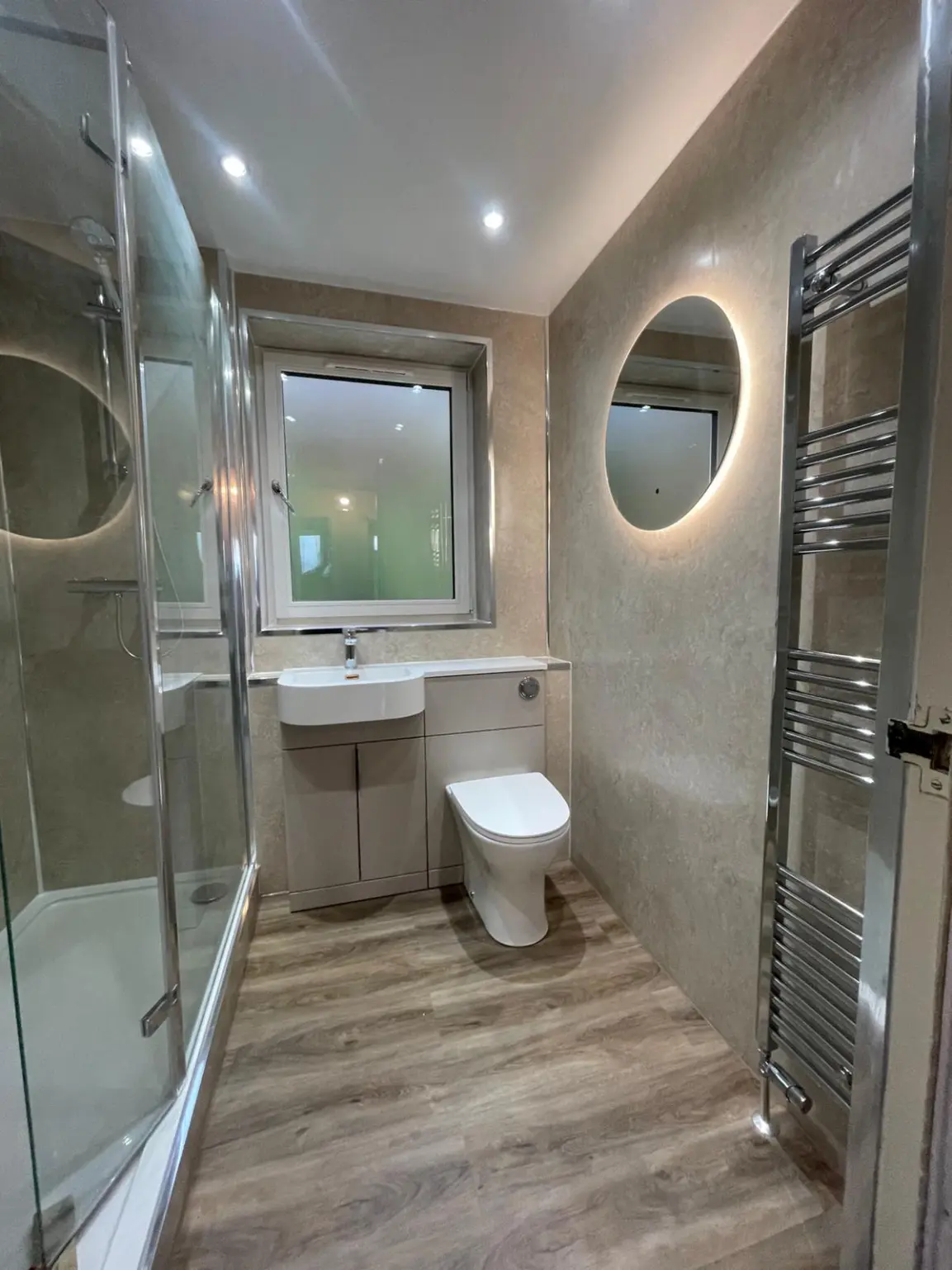
A refit can provide access to pipework behind old fittings, but the opportunity should be planned rather than improvised during installation. Share the findings and agreed list of pipework changes with the bathroom fitter before removal begins. Confirm which work must be complete and checked before the new suite and finishes are installed.
Our tenement bathroom fitting service can discuss the room and the planned installation. We do not describe a routine bathroom refit as automatically replacing every lead pipe serving the home. Our bathroom renovation checklist helps separate product choices from preparation and wider plumbing work, so the written agreement accurately reflects the job you are commissioning.
Keep the Records After the Work
Retain the description of the completed replacement, any relevant test information and the contractor's details. Record any sections that have not been replaced rather than assuming the entire building has been dealt with. That information can be useful for future maintenance, other owners in a shared building or a later property sale.
If shower performance is also a concern, read our water pressure and shower guide. A weak shower does not prove there are lead pipes. Each problem needs its own checks, even when both affect the same home. Find out what needs replacing, agree who will do each part and complete the necessary checks before the new bathroom conceals the pipework again.