
Before choosing a DIY approach, write down everything the job involves. Include the work you cannot see yet, the tools and products needed, and the time the bathroom will be unavailable. This helps you compare a realistic DIY plan with a fitting quote rather than comparing product prices with the cost of a complete service.
Separate Decorating from a Full Refit
Painting a suitable dry surface or fitting a bathroom accessory is a different job from moving a toilet or rebuilding a shower area. Even a small task needs care if drilling could reach a pipe, cable or suspect older material. Check what is behind the surface and use fittings suitable for the wall and the intended load.
A full refit can involve removing the suite, preparing the floor, changing pipework, waterproofing wet areas, fitting screens and connecting equipment. Each stage affects the next. A shower tray installed on an unsuitable base may look good on the first day but create problems after the room has been finished. Good preparation is part of the job, not an optional extra.
Know Which Work Needs Specialist Skills
Bathroom electrical work takes place close to water and needs competent design and installation. Tell an electrician what products you plan to fit, including the shower, mirror, extractor and any electric heating. Do not assume that a product can use an existing connection simply because the cable reaches it.
Gas work, where involved, must be handled by a suitably registered professional. Drainage changes, structural alterations and some other work may also require specialist input or permissions. Our guide to Scottish bathroom building warrants explains why the proposed work should be checked first. Calling a task “DIY” does not change the requirements that apply to it or remove responsibility for the result.
Allow for the Condition Behind the Finish
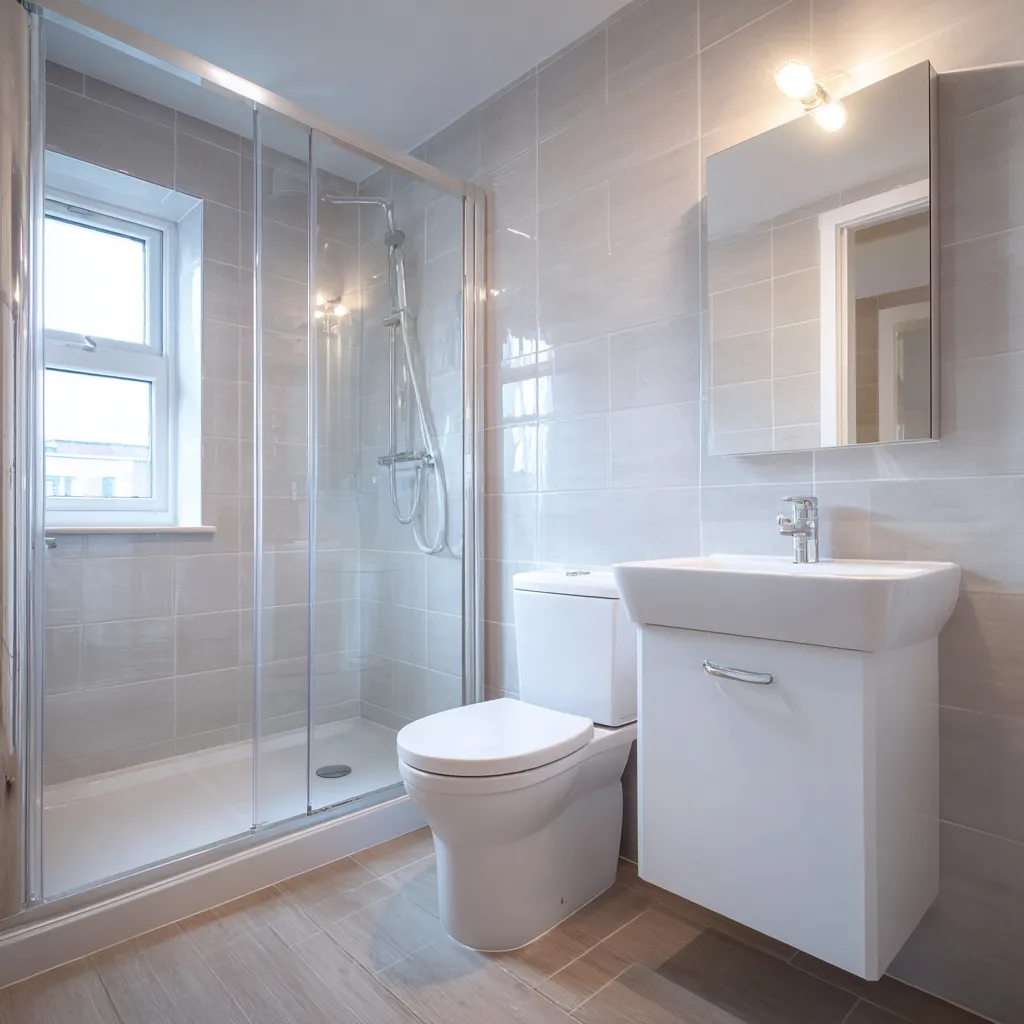
The old bathroom may conceal a leaking joint, damaged floor or uneven wall. New flooring and wall panels need a suitable base; they cannot be relied on to hide or repair the problem beneath them. Allow time to inspect and prepare those surfaces before new products are fitted.
In an older home, do not disturb suspect materials to speed up removal. Read our guide to asbestos checks before a refit and obtain appropriate advice. In a flat, also consider whether water supplies or waste pipes are shared. A mistake may affect neighbours as well as your own room, so understanding the existing pipes and water supply is especially important before anything is disconnected.
Compare the Full Cost, Not Just the Suite
A product list is only part of a bathroom budget. Tools, fixings, waterproofing products, waste disposal, delivery and replacement parts can add to the cost. If you need trades for part of the job, ask what preparation they expect and whether they are willing to take over after your work.
Be clear about who is responsible for each stage. For example, a fitter may need to inspect and correct a base before installing a shower tray supplied by you. Buying a discounted product can also create problems if it does not fit the measured space or has incompatible connections. Compare written lists of the work, not just the cheapest total or a list of fittings that look similar.
Plan the Time Without a Bathroom
Working on the bathroom at evenings or weekends can lengthen the interruption to daily use. Plan where everyone will wash and use the toilet, and how supplies will be isolated when needed. Do not leave an unfinished room in use if its surfaces, wiring or plumbing are not ready.
A professional installation still needs a realistic schedule. Product delivery, preparation and drying and setting times affect when work can move on. Ask the fitter which facilities will be unavailable and how changes will be communicated. Our bathroom renovation service brings the agreed products and fitting work into one plan, with the room assessed before its quote is confirmed.
Decide Who Will Finish and Check the Job
Think beyond getting the last product into place. The shower, taps and drains need checking, seals need time to set, and product instructions should be kept. Any required certificates or completion paperwork should be identified before work starts, with responsibility for obtaining them clear.
If you would rather arrange a fitted bathroom, bring your ideas and a list of what you want to keep to the home visit. If you prefer to do some work yourself, agree that division in writing before ordering. Read our guide to choosing a bathroom fitter for questions about the work included and who will do it. The best plan is one you can carry through properly, including the preparation and checks that are easy to overlook when focusing on the finished photograph.